Cutting waste at home does not require a renovation—just a few tiny switches that deliver real savings on your bill and a cooler, calmer home. Start with quick wins you can set once and then forget.
Shorter showers reduce both water use and the energy needed to heat it. Aim for five minutes, using a simple sand timer or a waterproof phone timer to keep you honest. If you can, swap to a low-flow showerhead rated around 7 to 9 liters per minute; good designs mix air with water so they still feel satisfying. Fix drips promptly, because a small leak can waste thousands of liters a year. If the shower keeps dripping after you close it, the cartridge or washer likely needs replacing.
Faucet aerators are another fast fix. These small tips screw onto taps and mix air into the stream, cutting flow without making the water feel weak. In the kitchen, a 6 to 8 L/min aerator is ideal, while bathroom sinks are fine at 4 to 6 L/min for handwashing and brushing teeth. Keep a small wrench and plumber’s tape on hand; installation takes minutes. Every few months, soak the aerators in vinegar to clear limescale so they keep performing well.
Cooling is usually the biggest energy draw in our region, so small AC adjustments pay off quickly. Set the thermostat between 24 and 26°C for daily comfort; every degree warmer can save roughly 3 to 5 percent on cooling costs. Use Auto fan settings and close doors to rooms you are not using to keep cool air where you need it. Shade windows first by closing curtains or blinds during peak sun; light-colored blackout curtains work best. Clean or replace filters monthly in summer because dirty filters force the unit to run longer for the same result. If you have ceiling fans, turn them on to feel cooler and raise the thermostat by 1 to 2 degrees without losing comfort.
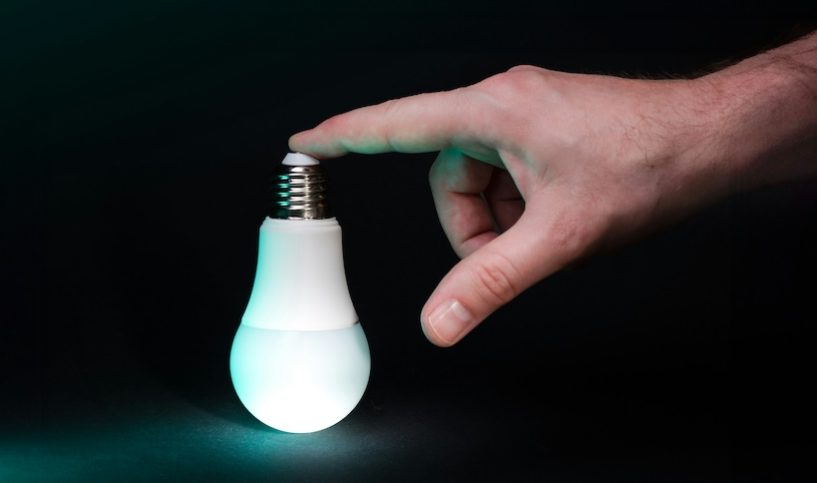
Lighting changes are simple and effective. Replace remaining bulbs with LEDs—they use up to 80 percent less energy and last far longer than incandescents or CFLs. Choose warm white (2700–3000K) for living areas and neutral white for task spaces like kitchens. In small zones such as closets, pantries, and hallways, add motion sensors so lights switch off automatically when you leave.
Appliance settings help, too. Set the fridge to 3 to 5°C and the freezer to about −18°C; colder wastes energy while warmer risks food safety. Let hot foods cool slightly before covering and refrigerating so the compressor does not work overtime. On the stove, match pot size to burner and cook with lids on to reduce heat loss. In the oven, switch it off a few minutes early and let residual heat finish the job.
Laundry and dish habits can trim costs without effort. Wash clothes in cold water unless they are heavily soiled; modern detergents are designed for cold cycles. Clean the dryer’s lint filter after every cycle to improve airflow, and line dry when possible. Run the dishwasher only when full, select Eco mode, and choose air-dry instead of heat-dry for the final phase.
Your water heater and hidden leaks also deserve a quick check. Set the heater to about 50 to 55°C to prevent unnecessary energy use and reduce scald risk. To find silent toilet leaks, add a few drops of food coloring to the tank; if color appears in the bowl without flushing, replace the flapper.
Finally, address standby power. Many devices sip electricity even when “off.” Plug TVs, game consoles, and printers into a smart power strip and cut the strip when not in use. Unplug rarely used chargers; they draw a trickle even with no phone attached.
Try three moves today: install a bathroom aerator, set the AC to 25°C, and place a five-minute shower timer. Then schedule a monthly 15-minute “Home Reset” to clean AC filters, clear the lint trap, and scan for leaks. Small habits lead to big savings—and your home will feel cooler, quieter, and kinder to both your bill and the planet.
Photo by Jakub Żerdzicki on Unsplash.