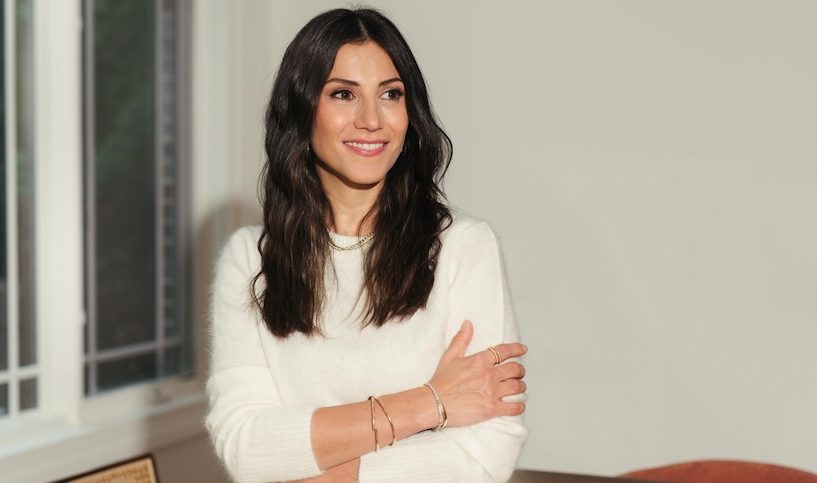
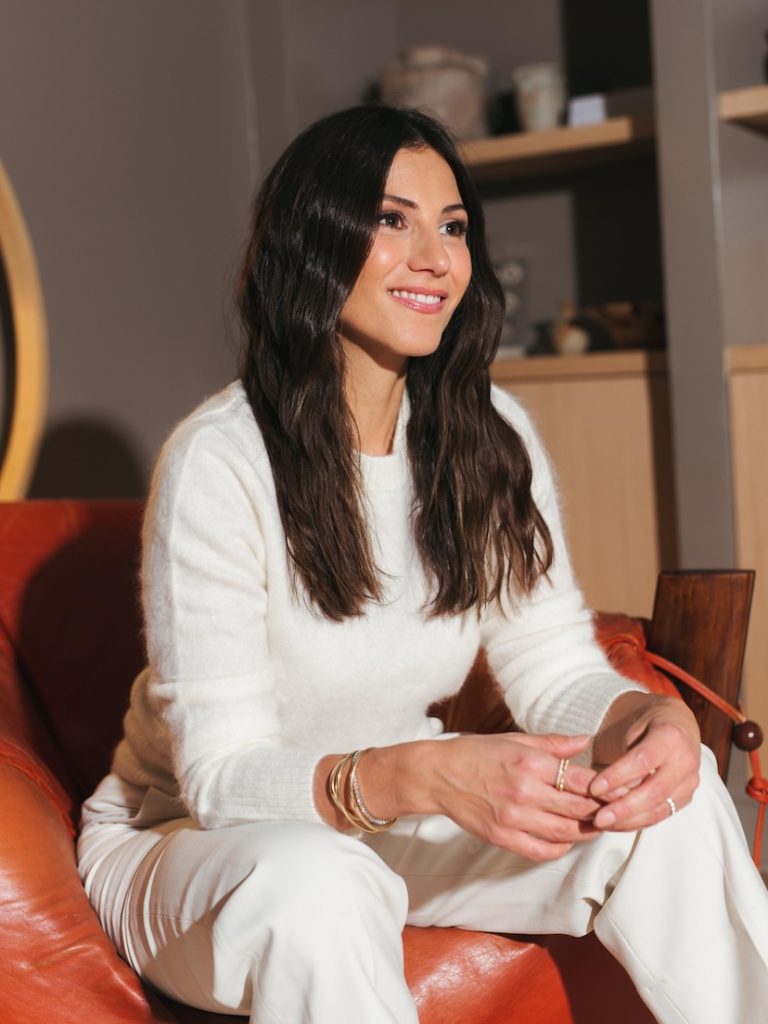
For Noura Sakkijha, jewelry is more than a product—it’s a personal legacy. As a third-generation jeweler raised in a family deeply rooted in the craft, the CEO and co-founder of Mejuri says jewelry is simply “in her DNA.” But her journey wasn’t linear. Before launching one of the world’s most influential fine jewelry brands, she studied engineering, worked in consulting, and took what she calls “a complete detour.”
It was only after moving to Canada that she felt pulled back to the industry—though not in the traditional way she grew up with. “There were next-generation brands emerging everywhere—skincare, fashion—but nothing new in jewelry,” she recalls. “Even when you had disposable income, you didn’t know who to buy jewelry from.” The market felt divided: costume jewelry on one end, high jewelry on the other, with marketing aimed largely at men gifting women.
That gap became the spark for Mejuri. “There was space for a brand that celebrated self-purchase, for women to celebrate their own milestones—not just Valentine’s or Eid, but a promotion, a move, anything meaningful to them.” From that insight, Mejuri was born: a brand centered on empowerment, modern design, and fine jewelry meant to be worn every day.
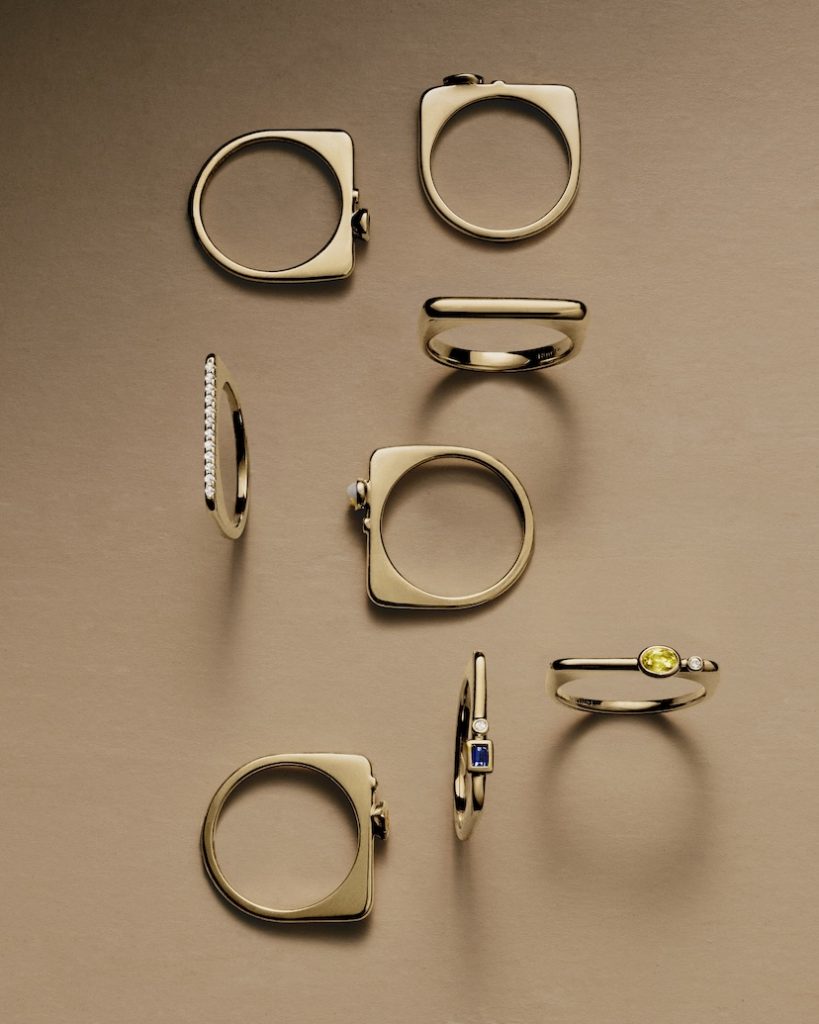
For Noura, the idea that fine jewelry should be kept in a vault never made sense. “We wanted to elevate the everyday,” she says. “Fine jewelry shouldn’t be intimidating or inaccessible. It should be designed for daily life—modern, unfussy, stackable, and high quality.”
Mejuri works exclusively with top global manufacturers and refuses shortcuts in production. But by selling directly to consumers and staying out of wholesale, the brand keeps its margins lean and its price point more accessible. “You can wear it every day, put it on, and that’s it—it becomes part of you.”
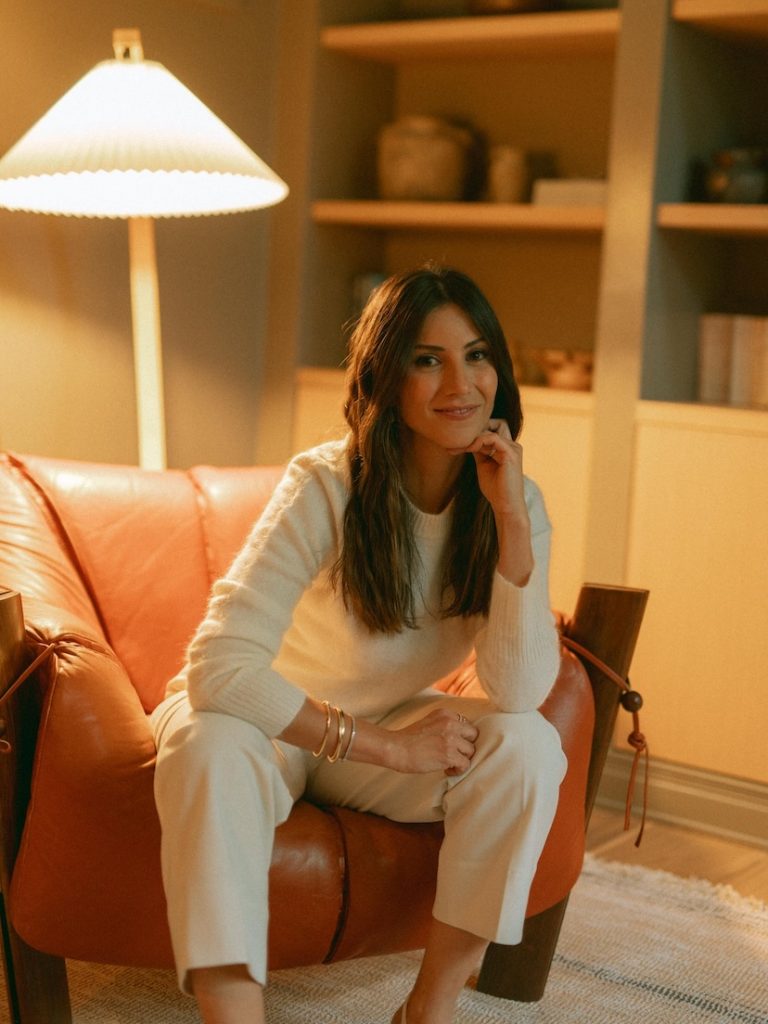
While Noura stepped away from the traditional family business model, she preserved one important aspect: craftsmanship. “Manufacturing techniques that are proven and traditional—we respect those completely,” she explains. “What we changed was everything around it: the positioning, the community, the brand experience.”
Mejuri’s tone of voice is intentionally warm, conversational, and informative. “I always say Mejuri is the customer’s friend who knows more about jewelry,” she says. That philosophy extends to the stores, where customers can freely touch, style, and explore pieces—“like stepping into your friend’s closet,” she says. The physical distance between the product and the customer is intentionally minimized.
When it comes to design, Noura describes Mejuri’s process as “magic and logic.” The team builds seasonal mood boards inspired by architecture, women they observe, cultural trends, and everyday life. The “logic” comes from analyzing what customers already love, doubling down on proven bestsellers while introducing fresh concepts.
This approach supports Mejuri’s signature “newness”—the brand releases drops throughout each season rather than traditional long-cycle collections. “We’re known for freshness,” Noura says proudly.
Mejuri stays aware of trends without sacrificing longevity. “We don’t create something you wear for one season and throw away,” she says. “But we also don’t ignore cultural trends. The question is: how do we interpret them in a Mejuri way?”
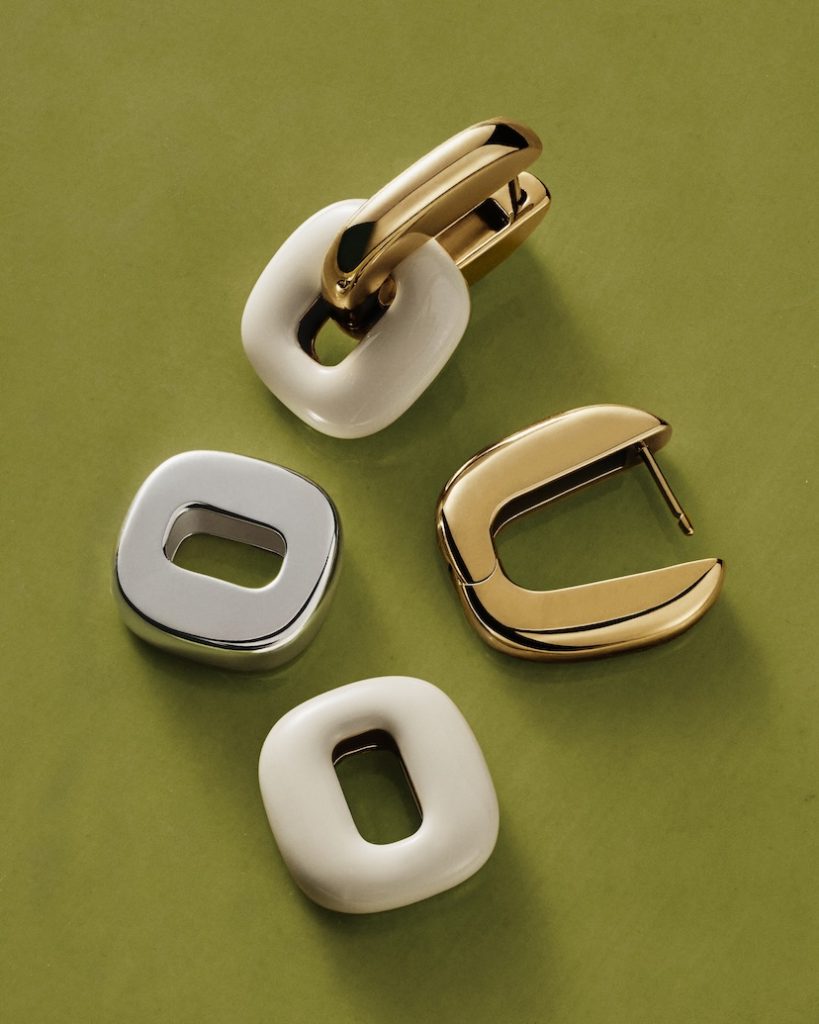
If oversized earrings are in, for example, Mejuri will take the trend but deliver it with timeless restraint. “You should be able to wear it again next year—trendy, but never disposable.”
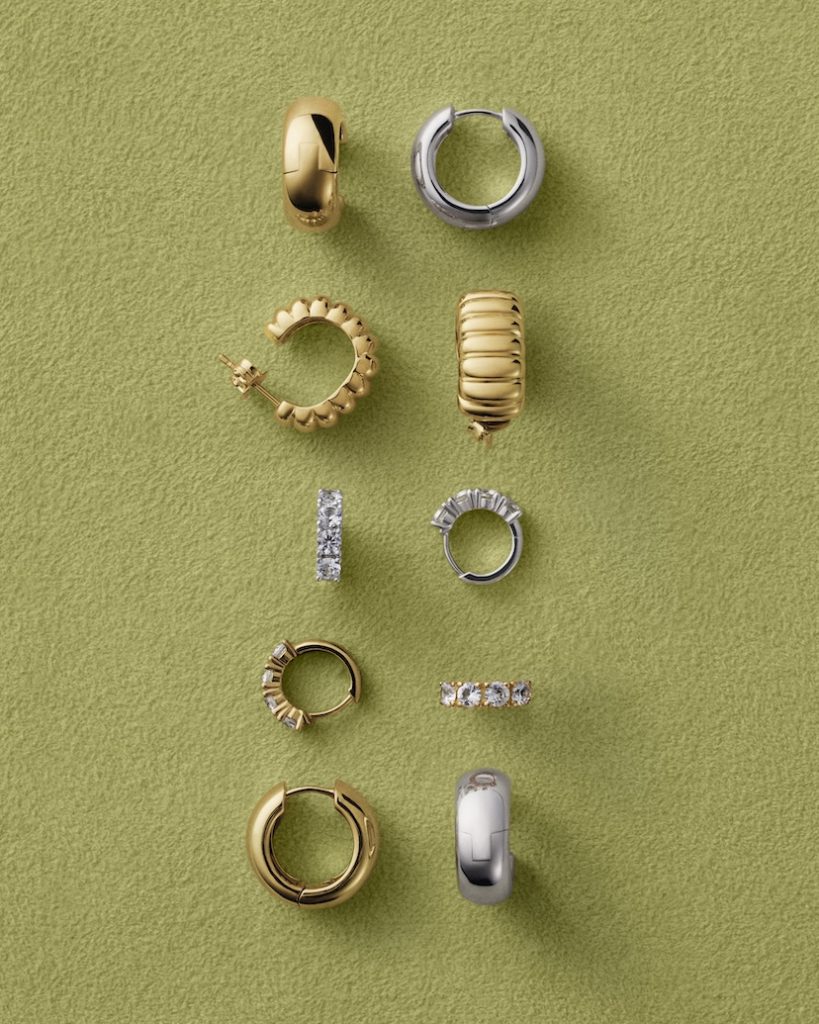
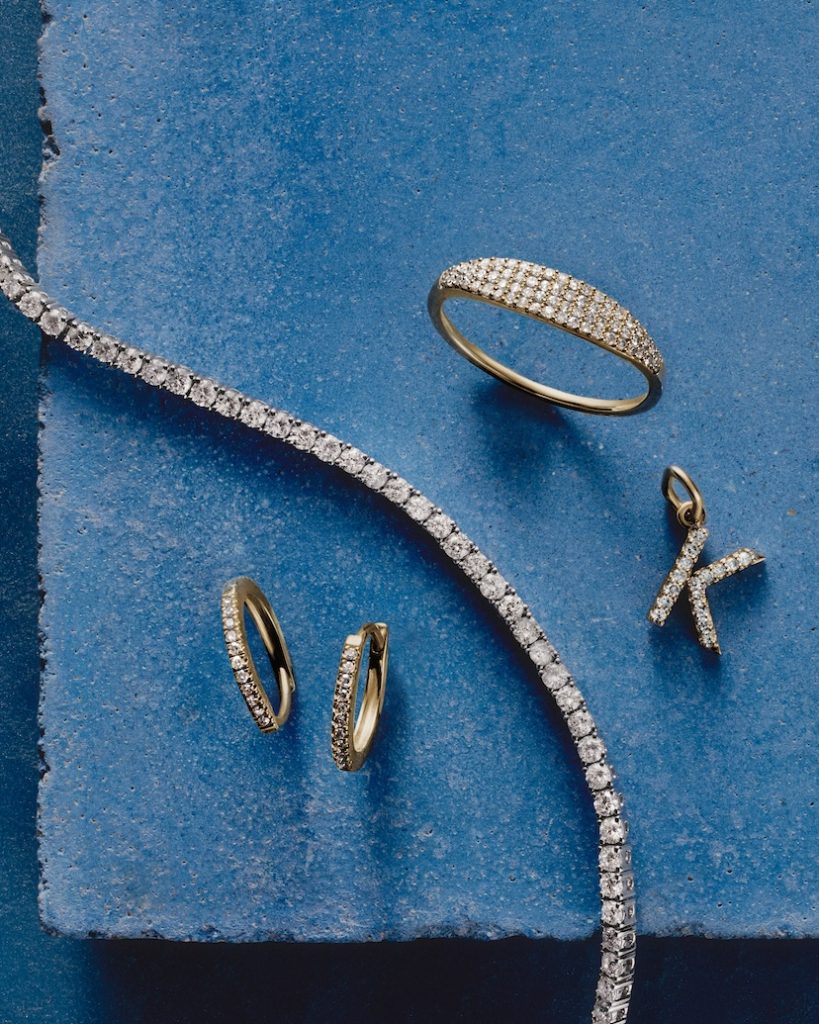
Quality is non-negotiable for Noura. Mejuri works only with top-tier manufacturers—many of whom also produce for world-leading luxury brands. Internally, the brand has rigorous quality control processes. “We joke that our products get tortured before launch,” Noura laughs. Hoops are opened and closed hundreds of times to ensure durability.
Sustainability has been a priority since day one. When the company was small, they partnered with third-party manufacturers certified by the Responsible Jewellery Council. Now, Mejuri has brought expertise in-house and transitioned most production to certified recycled gold and silver. Diamond traceability has also improved, including the introduction of lab-grown diamonds with fully tracked supply chains.
One of Noura’s proudest initiatives is Salmon Gold, created through a partnership with Regeneration. The company re-mines abandoned sites, restoring destroyed habitats. In one case, salmon returned to the area after the land was rehabilitated. “We were the first and only jewelry brand to use Salmon Gold,” she says. “That makes me incredibly proud.”
Despite global success, Noura’s proudest moments remain deeply personal. “When a woman tells me why she bought her jewelry—‘I moved to Canada,’ ‘I got my first job’—that’s when I feel our mission is coming full circle,” she says. “Women celebrating their own milestones—that’s the impact we wanted to make.”
This year marks Mejuri’s tenth anniversary—perfect timing, Noura says, to come home. “We started receiving a lot of inbound interest. Even without marketing to the region, we saw strong sales from the GCC.” As a Middle Eastern woman, she didn’t hesitate. “This is a dream come true—to return to our roots and celebrate jewelry in a new way. Launching here during our ten-year milestone feels like divine timing.”
For Noura, the fit is natural. “Our region values beauty, craftsmanship, and jewelry. It’s in our culture. Mejuri brings a fresh, modern way to experience something we already love.”
Mejuri’s message has always been clear: buy your own jewelry. “You don’t need to wait to be gifted,” Noura says. “Celebrate your own milestones. Take charge of your journey.” For her, empowerment is not used as a marketing buzzword—it is the heart of the brand.
Mejuri began as an online-only brand, but its community quickly changed that. “Our customers literally came to our office during holidays because they wanted to touch the product,” Noura says, laughing. The first store was meant to be a simple activation space—but 60–70% of shoppers turned out to be new customers who preferred to see the pieces in person.
That insight transformed Mejuri’s strategy into the omnichannel model it uses today. Online offers convenience; in-store offers styling, sizing, and tactile experience. Hence the famous ring bars.
“The region values beauty and craftsmanship—it’s always been part of our culture,” Noura says. “But the next generation has a new lens. They approach jewelry through self-expression, not just tradition. That’s exactly where Mejuri fits.”
The brand will launch globally consistent collections while learning local nuances over time—what pieces resonate, what variations customers prefer, and how regional style develops. “We’ll evolve as we grow here,” she adds.
Among the brand’s most exciting offerings is the Mejuri Piercing Studio, now a major part of the global experience. “It’s not the typical ‘first piercing as a child’—it’s piercing for styling,” Noura explains. “Self-expression is a big part of the brand.”
Unlike traditional piercing done with basic starter pieces, Mejuri designs beautiful flat-back options that are comfortable and long-lasting. The studios are designed to feel clean, calming, and almost spa-like—a contrast to tattoo-parlor piercing experiences typical in North America. “You sit, pick your stack, and create your look,” she says. “It’s part of the fun.”
Learn more about Mejuri at their website mejuri.com