Obesity has become one of the most urgent health challenges in Kuwait, with 2024 statistics showing that nearly half of Kuwaiti adults are obese, and high rates appearing even among children and adolescents, including almost 11% of children under the age of 5. Recent KNSS findings continue to confirm the widespread prevalence of overweight and obesity among adults, while a World Obesity Federation report places Kuwait’s overall obesity rate at 45.3% of the population. This growing trend is not just a number on a scale, but a major driver of chronic diseases such as type 2 diabetes, hypertension, and cardiovascular illnesses. Today, Kuwait ranks as the country with the highest obesity rate in both the Arab world and the Gulf region, emphasizing the seriousness of the issue. Beyond medical risks, obesity in both adults and youth brings physical limitations, psychosocial struggles including bullying and low self-esteem, and long-term health complications that can affect an entire lifetime.
Yet, despite these alarming statistics, nutritionist Iman AlAwadhi, founder of Health Talk and healthtalkdiets.com, offers a more hopeful and effective approach to overcoming obesity. She believes that with the right strategy, obesity is not only manageable but fully reversible, especially when supported by professional, evidence-based guidance from a qualified dietitian.
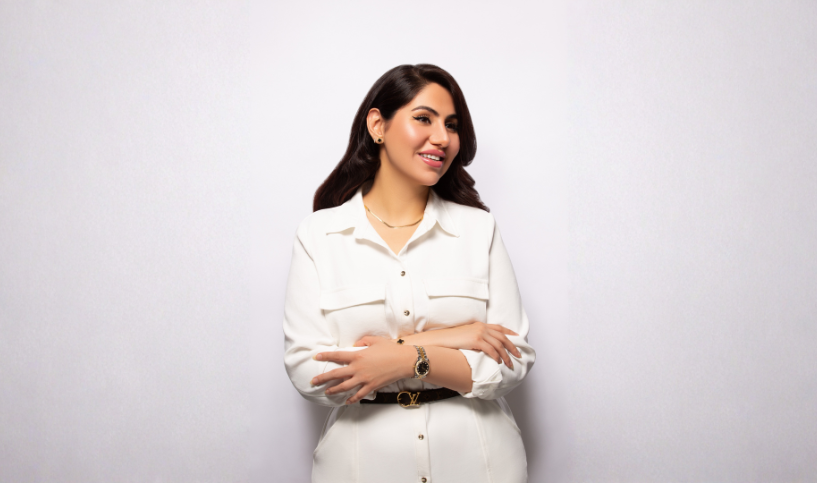
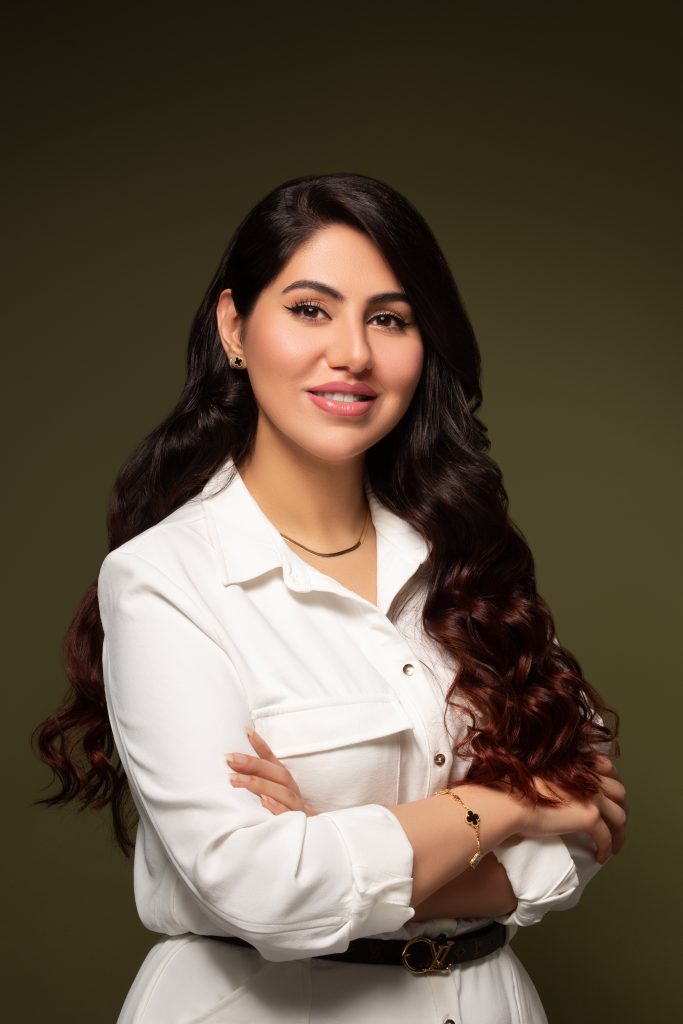
Iman graduated from Kuwait University with a Bachelor Degree of Nutrition and Master Degree from UK Sheffield Hallam University specializing in Applied Sport and Excersice Sceience. She is a nutritionist and a Kuwait-based clinical nutritionist known for her compassionate, science-based approach to weight management and wellness. With years of experience across Kuwait’s public hospitals, including work in obesity and surgical clinics, she has guided individuals of all ages through transformative health journeys.
Her platform, “Health Talk” was created to make nutrition feel human, personal, and accessible, blending evidence-based guidance with emotional support. Iman specializes in personalized diet plans, habit-building, metabolic health improvement, and long-term lifestyle change. Through the platform, she continues to inspire thousands to rebuild their confidence, reconnect with their bodies, and take courageous steps toward a healthier future.
We spoke to Iman to learn more about her, the health situation in Kuwait and what we can do about it.
Kuwait has some of the highest obesity rates in the region. How serious is the situation today?
The situation is grave. As you know, as of 2024, nearly half of Kuwaiti adults are classified as obese, and we are also seeing high rates among the new youth generation. These numbers place Kuwait among the highest in the Arab world and the Gulf region. It’s not just a statistic; it’s a reflection of a growing public health crisis that affects families, workplaces, and future generations.
What are the biggest health risks associated with obesity that you see most often in Kuwait?
Many factors. Obesity increases the risk of many chronic diseases, including type 2 diabetes, hypertension, and metabolic syndrome. But beyond these well-known risks, I also see the emotional and psychological stress it places on people, fatigue, low self-esteem, frustration, and a sense of losing control over their health. The danger is not only physical, it affects a person’s confidence, mental well-being, and overall quality of life.
How does obesity impact children and adolescents in Kuwait?
The impact on young people is especially concerning. Childhood obesity leads to physical struggles such as reduced stamina, joint issues, and early signs of metabolic problems, but it also exposes children to bullying, social pressure, and psychological stress. When obesity begins at a young age, it often continues into adulthood, creating long-term health issues. This is why early guidance, education, and family support are crucial in shaping healthier habits from the start.
So tell me about your self, How did your journey in nutrition begin, and why did you choose the nutrition major?
It’s a good question. Well, it all began at home. My mother was the first person who taught me that health is something we protect, not something we assume will always be there. Long before I knew the science behind nutrition, she shaped my belief that the daily choices we make are what build our future. Later, when the idea of sharing my knowledge publicly came up, my brother and sister became my biggest supporters. They believed in me before I believed in myself. They were the ones who said, “Start Health Talk. People need to hear your voice.” Their belief became the foundation of everything I built after.
What shaped your professional experience?
My experience grew from years of working across Kuwait’s public hospitals and clinics, where I met people with different health conditions, challenges, and stories. One of the most defining chapters of my career was my time in the obesity and surgical clinic. There, I witnessed how deeply weight struggles are connected not only to food but also to emotions, stress, lifestyle, and personal history. It taught me that nutrition is never just a meal plan; it’s a human experience.
What was the biggest lesson you learned while working in the obesity and surgical clinic?
I realized that many people see healthy eating as something they will “start later,” even when they are willing to undergo major surgery or live with years of discomfort. But later rarely comes. That realization changed my entire approach. People don’t need more fear or pressure; they need understanding, guidance, and a plan that feels possible. Healthy habits should be the first thing we care about, not the last.
Why did you create Health Talk?
I created Health Talk to make nutrition feel human, practical, and comforting, not overwhelming. I wanted a space where people feel understood before they are told what to change. Health Talk is not a strict diet page. It’s a place where compassion meets science, where every person’s story matters, and where guidance feels personal rather than clinical.
What makes your approach different?
I don’t believe in generic plans. I believe in listening. Every person has their own lifestyle, emotions, work schedule, and habits, and a truly effective plan must respect that. Personalized consultation is not a luxury; it’s the only way real, lasting change can happen.
Why is follow-up an essential part of weight loss?
Because the real transformation happens after the plan is made. Follow-up is where we adjust, correct, motivate, rebuild habits, and celebrate progress. It’s where people learn that a bad day doesn’t erase weeks of effort, and that they’re not alone on their journey. Follow-up turns a goal into a lifestyle.
What do people misunderstand most about weight loss?
People think weight loss is only about food. But it’s also about stress, sleep, emotions, hormones, routines, and self-belief. Weight reflects your whole life, not just your plate. That’s why I focus on understanding the person deeply, then building a plan that fits who they are, not who they “should” be.
What can someone expect when joining your programs or following Health Talk?
They can expect honesty, support, and real guidance, not unrealistic promises. Life in Kuwait is busy and stressful, and I understand that. I help people improve step by step, without pressure or perfectionism. My goal isn’t just weight loss; it’s better energy, better sleep, better confidence, and a healthier relationship with food.
What message do you want to leave readers with?
Change doesn’t have to be dramatic. It just needs to be sincere.
Your journey begins the moment you choose yourself, even with one small decision.
If you’re ready for a real, sustainable, reliastic approach to health, I welcome you to my world at Health Talk. The first step might feel small… but it may become the moment that transforms your life.
To begin your personalized journey, visit healthtalkdiets.com and take your first step toward a healthier, more confident future. Follow @Health_Talk on. Instagram to stay in the know about all things health.