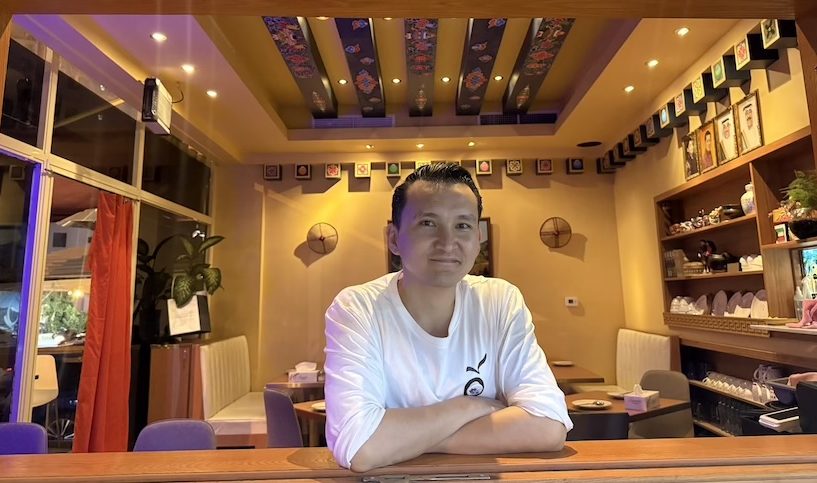
There is a particular kind of restaurant that does not announce itself with spectacle. It does not rely on theatrics or trend. It opens quietly, almost cautiously, and waits for those who are curious enough to step inside. Lepo & Lemo, a Bhutanese restaurant in Salmiya, belongs to this category.
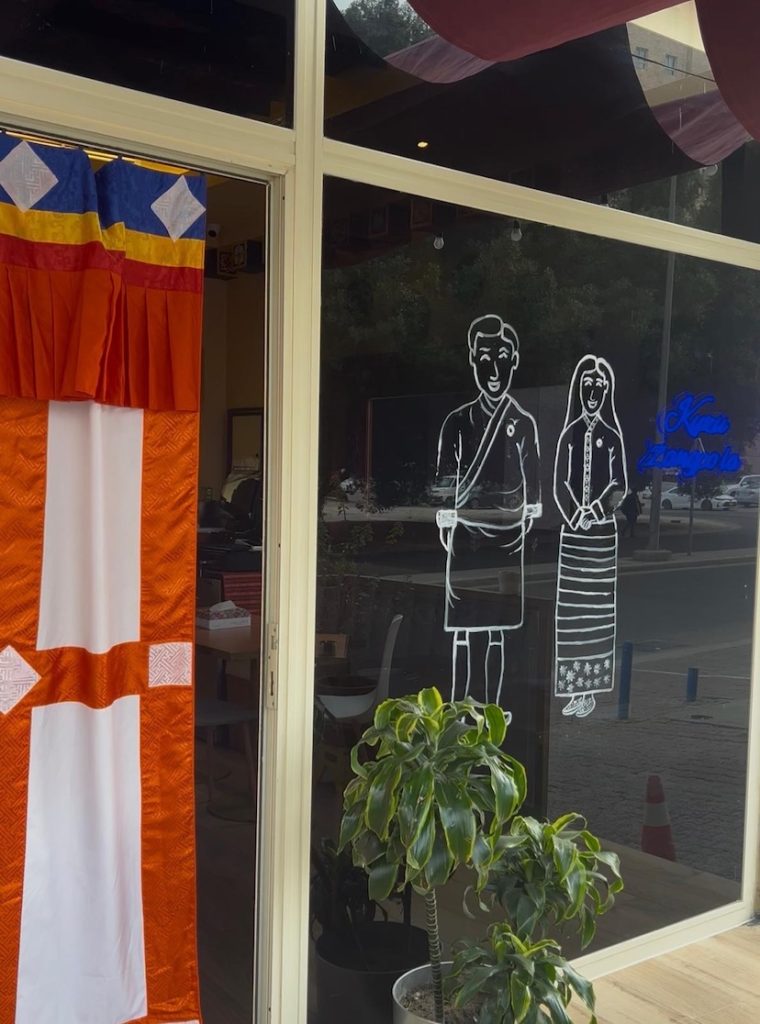
For its founder, Karma, the restaurant began not with a business plan, but with a name.
Lepo and Lemo mean “son” and “daughter” in a dialect from Eastern Bhutan, where he is from. But their meaning, for him, is inseparable from his father’s voice. They are the words his father used when calling his children, spoken with the softness reserved for family. In that tone lived protection, pride, and a tenderness that, over time, becomes part of one’s interior architecture.
Naming the restaurant Lepo & Lemo was an act of preservation. “It is my tribute to him,” Karma explains. The name holds the sound of home, the geography of childhood, the invisible inheritance of love. To speak it aloud is to repeat a memory.
Bhutanese cuisine, like the country itself, is often described as small and mountainous, defined by altitude and isolation. But its culinary language is not austere. It is intimate. Karma describes it as humble and heartfelt, food that does not attempt to dazzle so much as to console. It is the food of kitchens rather than dining rooms, of family tables rather than ceremonies.
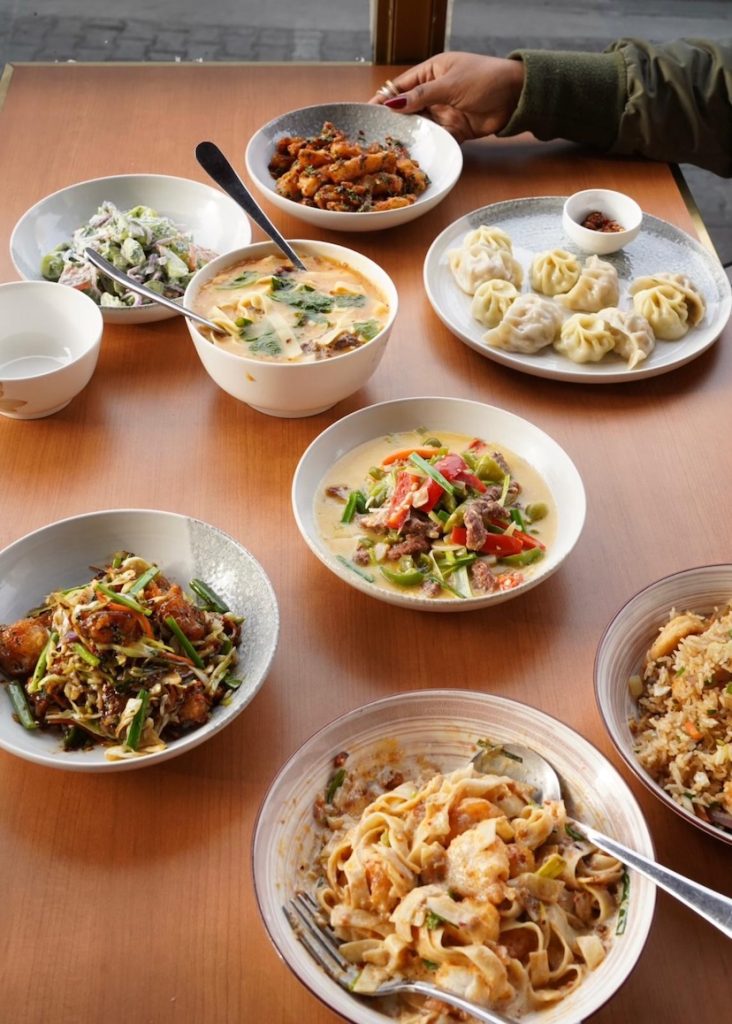
The cuisine is known for its chilies, which in Bhutan are treated not as garnish but as vegetable. And yet, the experience of the food is not aggressive. It is balanced, warm, and clean. The flavors are direct. The dishes are often simple. There is an emphasis on nourishment rather than indulgence, on comfort rather than spectacle.
To introduce such a cuisine to Kuwait required a certain vulnerability. Bhutanese food is not widely known here. To cook it publicly is to expose something deeply personal, recipes shaped by memory, techniques learned by watching one’s mother, flavors that carry the weight of geography and history.
“There was excitement,” Karma says, “but also fear.” The decision to open Lepo & Lemo followed the earlier chapter of Momo Zaa, a Bhutanese concept introduced in 2019. This new iteration felt more deliberate, more rooted. If Bhutan was to be represented in Kuwait’s dining landscape, he believed it should be done with sincerity and care, by someone who carried the culture from within.
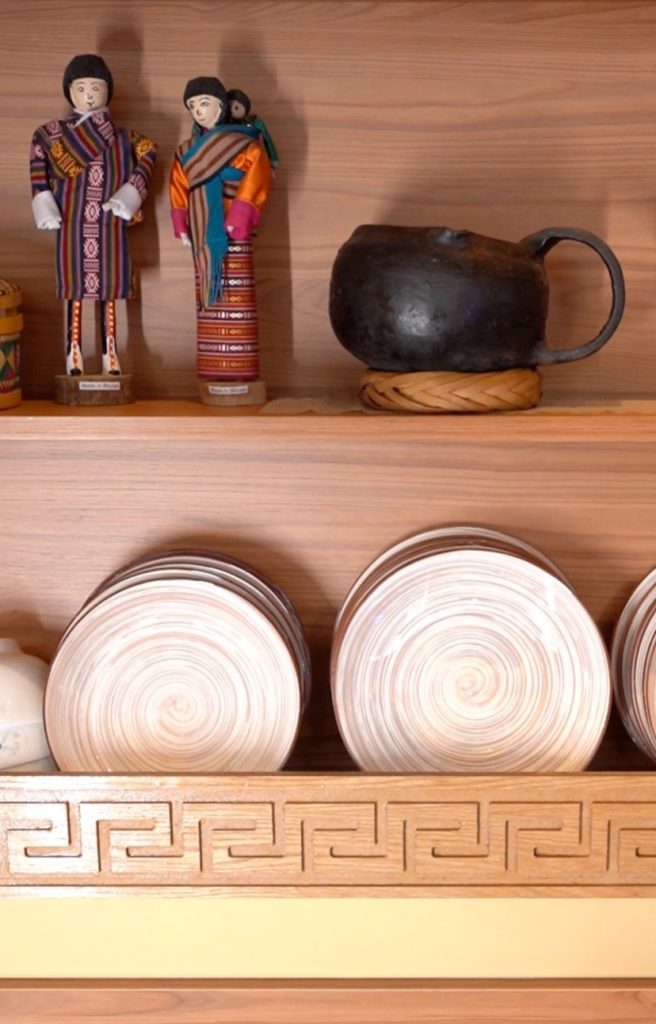
The reception, he admits, has been unexpectedly emotional. Diners arrive unfamiliar with the cuisine and leave with a new vocabulary of taste. Some return, bringing friends, then family. The act of sharing food becomes an act of cultural translation.
The kitchen at Lepo & Lemo navigates a careful tension between preservation and adaptation. Ingredients are sourced locally, but the essential character of the dishes remains intact. Traditional techniques are respected. Flavors are adjusted only thoughtfully. Contemporary Bhutanese creations appear alongside longstanding staples, not as replacements but as extensions of a living tradition.
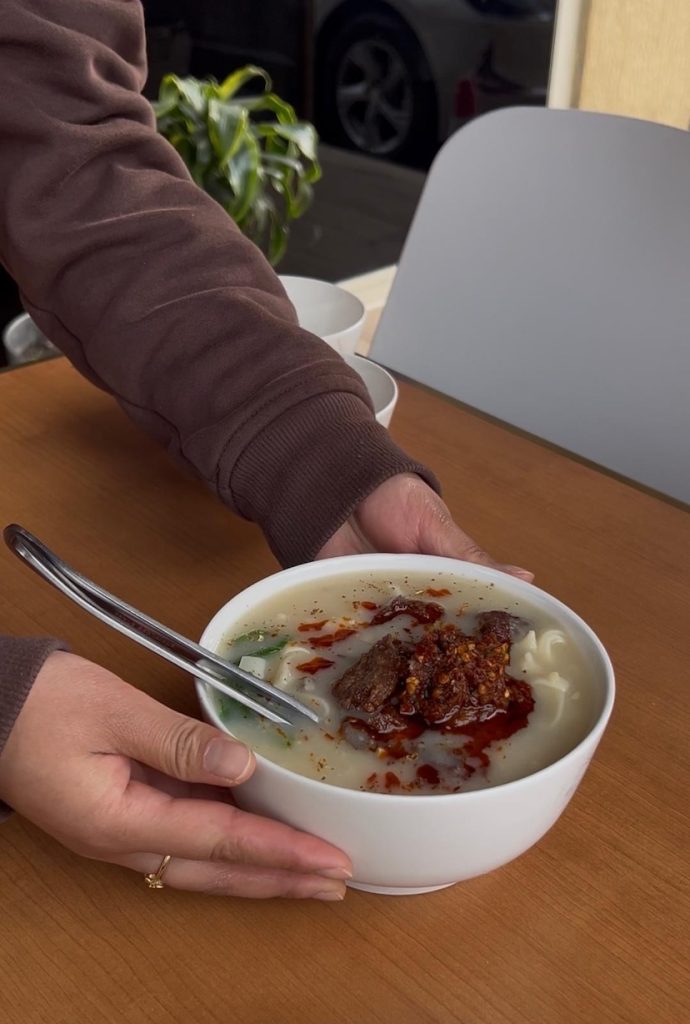
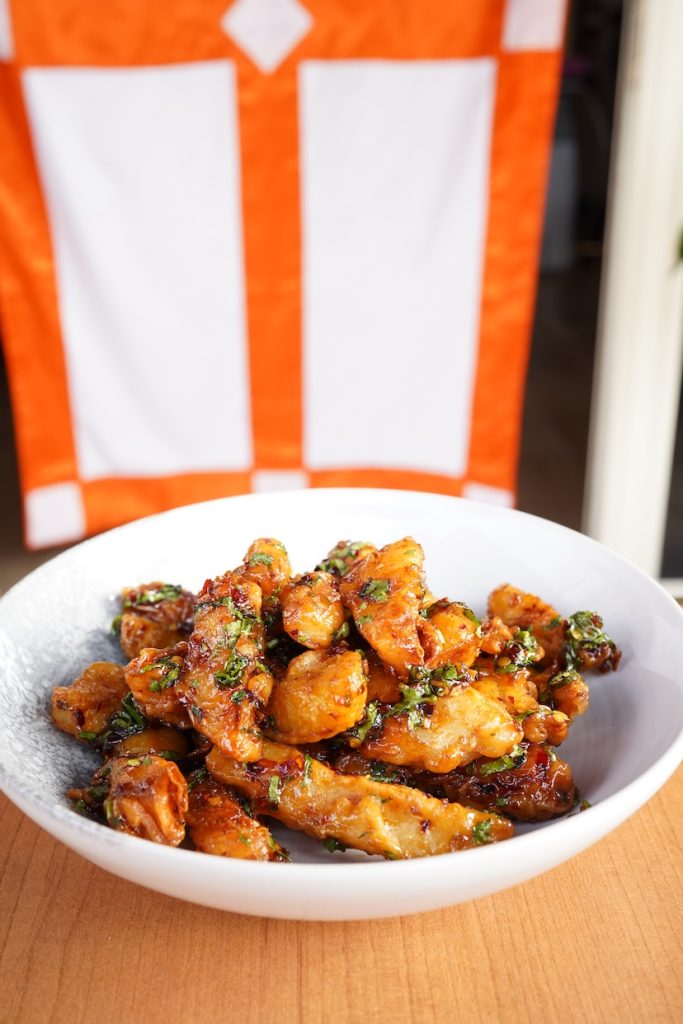
Among the dishes, the momo has emerged as a favorite. The dumplings, pleated and filled, are both familiar and distinct, a reminder that certain culinary forms travel easily across borders while retaining their specificity. Crispy potatoes, Jangbuling, and the restaurant’s signature plates have similarly found an audience. Yet to ask Karma to choose a single dish that defines the restaurant is to misunderstand its premise. Each plate, he insists, carries equal weight.
If there is one dish that reveals the emotional core of the menu, it is Gondo Datshi. Composed of egg, cheese, and butter, it is disarmingly simple. As a child, Karma’s mother prepared it when he needed comfort. It was, he says, capable of repairing a bad day. Many Bhutanese households share a similar memory. In placing it on the menu, he is not innovating; he is remembering.
Comfort, in fact, is the restaurant’s quiet thesis. In Bhutan, meals are less about display than about togetherness. Food gathers family around a table. It marks time. It steadies the body. At Lepo & Lemo, Karma hopes guests experience something akin to that feeling, a small exhale, a momentary sense of being held.
His involvement in the restaurant is total. He runs errands, inspects ingredients, tastes sauces, adjusts details. The work is continuous and unspectacular. But it is, for him, necessary. “It is a dream in motion,” he says. To remain hands-on is to remain accountable, to the food, to the culture, and to the memory that animates the space.
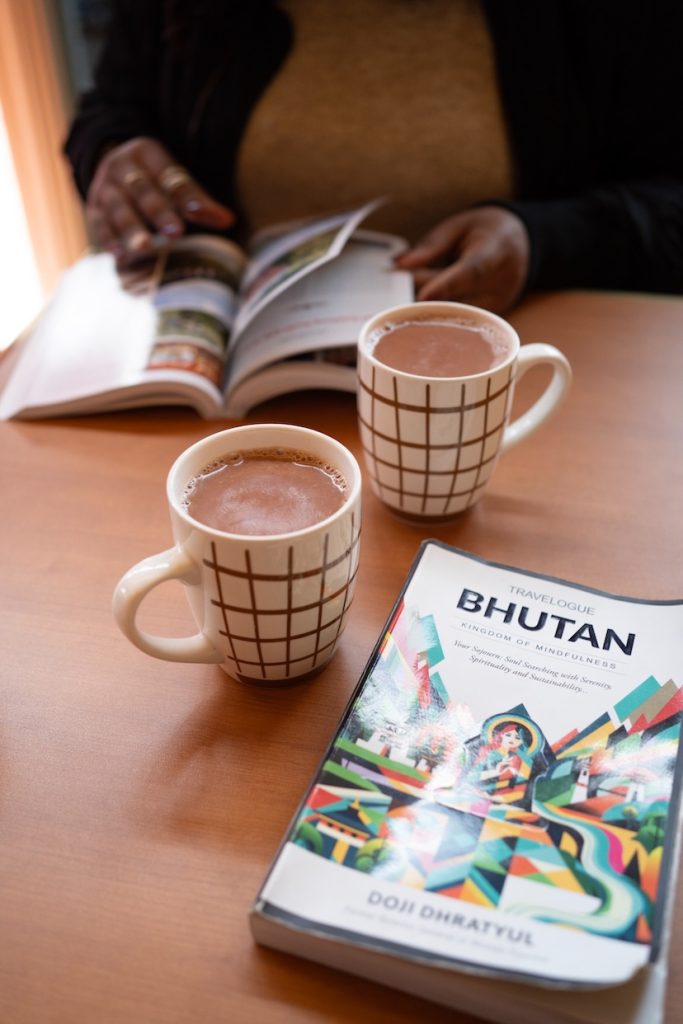
Since opening, the community has played an unexpected role in shaping the restaurant’s evolution. Guests have offered advice, encouragement, and loyalty. Some have crossed the subtle boundary between customer and friend. A restaurant, after all, is not only a place where food is consumed. It is a site of encounter. Relationships accumulate in its corners.
For first-time visitors, Karma hopes the experience feels uncomplicated. Not dramatic. Not overwhelming. Simply warm. Bhutan, he notes, is a small country with a dense heritage and a strong sense of identity. Through each dish, he offers a fragment of that landscape, not as spectacle, but as invitation.
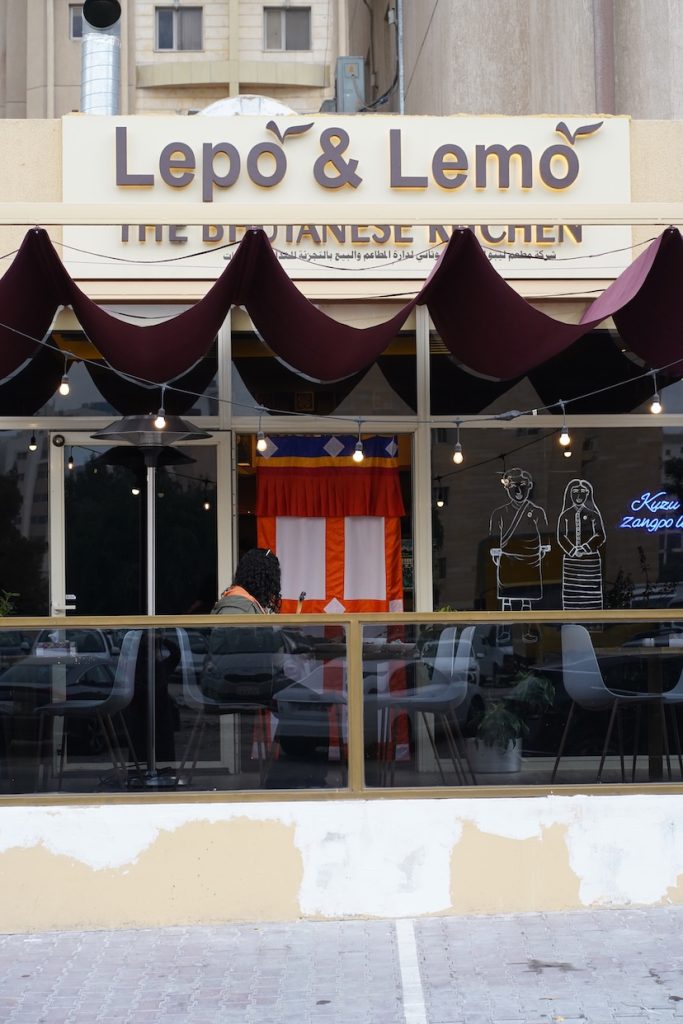
In Salmiya, Lepo & Lemo does not attempt to redefine the dining scene. It does something quieter. It tells a story in the language of food, one plate at a time.
Ready for a culinary journey? Follow @lepo.lemo on Instagram.