
When everything feels overwhelming, the instinct is often to wait for the weight to lift before doing anything differently. But stress rarely lifts on its own. What tends to help, paradoxically, is not waiting for things to get better before taking care of yourself. It is taking care of yourself as a way of getting better. Small habits, consistently practiced, can quietly shift your internal weather in ways that matter.
Start with sleep. It sounds mundane, but sleep is the foundation everything else rests on. When we are chronically under-slept, our emotional resilience falls, our patience shortens, and our ability to manage anxiety diminishes significantly. A consistent bedtime, even imperfect sleep at a regular time, does more for mental health than most of the strategies we tend to reach for first.
Move your body in whatever way feels accessible. You do not need a gym or a structured workout. A twenty-minute walk, some stretching in the morning, dancing alone in the kitchen: these activities reduce cortisol, increase endorphins, and shift the nervous system out of its stress response. The threshold for benefit is lower than most people think. You do not need to run a kilometer to feel the difference.
Do one small thing each day that has nothing to do with productivity. Read a few pages of a book. Make a cup of tea and drink it without looking at your phone. Sit outside for ten minutes. These pauses are not laziness. They are the maintenance that keeps the rest of your functioning sustainable. The mind needs rest that is genuinely restful, not just distraction.
Connect with at least one person each day in a meaningful way. A real conversation, not a voice note or a forwarded meme, but an actual exchange of how you are both doing, is one of the most effective mood regulators we have access to. We are social animals. Isolation compounds stress; connection relieves it.
Finally, practice noticing what is going well. This is not toxic positivity or denial. It is a genuine cognitive skill. Our brains are wired to register threats more readily than good things, which is useful in a crisis but exhausting over time. Deliberately noticing one or two things each day that were okay, or even good, such as a good meal, a moment of laughter, a conversation that felt warm, gently retrains this bias. Small, consistent, and over time: this is how habits work. And right now, any movement in the right direction counts.
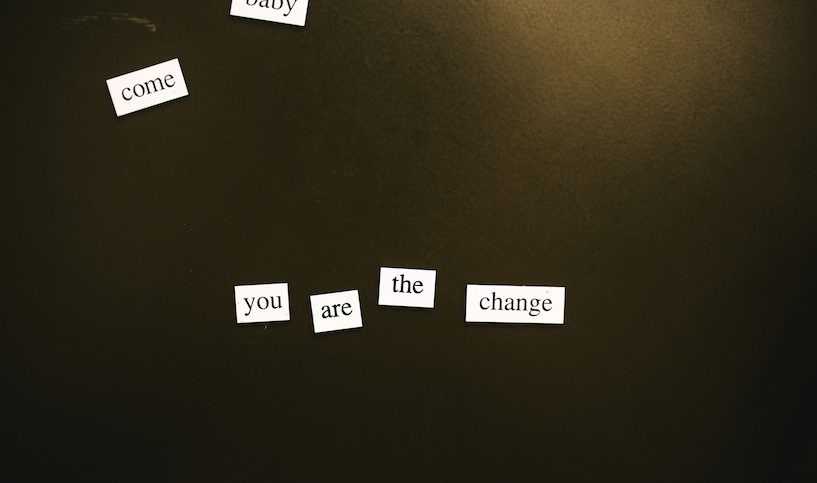
Photo by Kalei de Leon on Unsplash.