
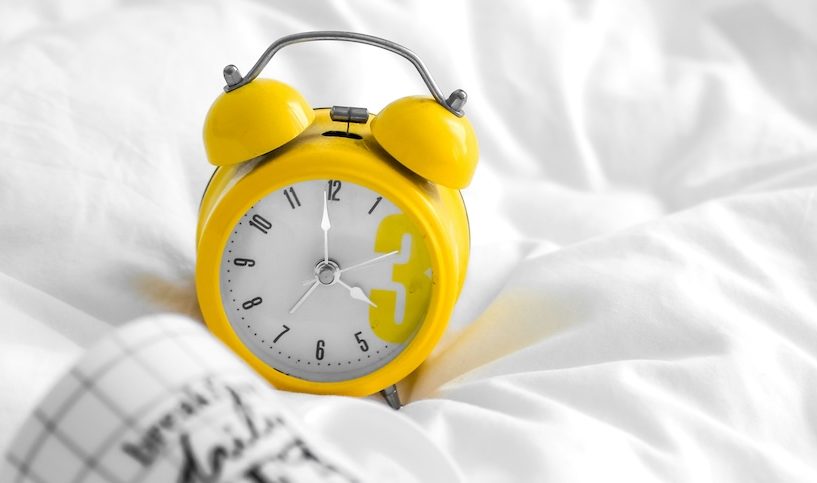
Routine often suffers from an image problem. It is associated with boredom, rigidity, and a lack of creativity. We celebrate spontaneity and flexibility, while routine is framed as something to escape. Yet in practice, many people feel most grounded, calm, and productive when their days have a reliable rhythm. What looks repetitive on the outside often creates freedom on the inside.
Psychology has long recognized the value of routine. In The Principles of Psychology, philosopher and psychologist William James described habit as “the enormous fly-wheel of society,” noting that routines conserve mental energy by reducing the number of decisions we must consciously make. When certain actions become automatic, the mind is freed for deeper thinking, creativity, and connection.
This is why routines often feel comforting rather than confining. They provide structure in a world that is otherwise unpredictable. Knowing what comes next reduces cognitive load. The brain expends less effort managing logistics and more effort engaging meaningfully with what matters.
Modern life is saturated with choice. What to eat, what to wear, when to reply, how to exercise, when to rest. While choice is often framed as freedom, research on decision fatigue suggests the opposite. The more decisions we make, the more depleted our mental resources become. Routine acts as a quiet filter, removing unnecessary choices from daily life.
This is also why many highly creative people rely on routines. They are not limiting imagination; they are protecting it. By standardizing the unimportant parts of the day, energy is preserved for work that requires focus and originality. Routine becomes a container that supports creative output rather than stifling it.
There is a physical dimension as well. Consistent routines help regulate circadian rhythms, supporting better sleep, digestion, and mood stability. Waking, eating, and resting at roughly the same times allows the body to anticipate needs instead of constantly reacting. This predictability reduces strain on the nervous system, even if we are not consciously aware of it.
Emotionally, routines provide continuity. During periods of uncertainty or transition, familiar rituals can be grounding. A morning coffee prepared the same way. An evening walk at a familiar hour. These small, repeated acts create moments of normalcy when larger structures feel unstable. They remind us that not everything is changing at once.
Importantly, routine does not mean rigidity. Healthy routines are flexible frameworks, not strict rules. They bend when needed and resume without punishment. The benefit lies not in perfection, but in return. A routine that allows interruption and re-entry remains supportive rather than oppressive.
Many people resist routine because they associate it with obligation rather than choice. But chosen routines are different from imposed ones. When a routine aligns with personal values and natural energy levels, it becomes a form of self-care rather than constraint. Intention makes the difference.
Routine also quietly shapes identity. Repeated actions influence how we see ourselves. Someone who walks daily begins to identify as a person who moves. Someone who writes every morning begins to see themselves as a writer. Over time, routine becomes less about the activity itself and more about the identity it reinforces.
A lack of routine can create subtle anxiety. When every day requires renegotiation, the mind remains in planning mode. This constant adjustment can be exhausting, even if life appears flexible on the surface. Routine reduces that background mental noise.
Across cultures, repetition has long been used to create meaning and cohesion. Shared meals, daily prayers, and seasonal rituals all rely on rhythm. Routine has never been the enemy of richness. It has often been its foundation.
The beauty of routine lies in its quiet support. It does not demand attention or admiration. It simply holds the day together. When routines are thoughtfully chosen, they create a sense of ease that makes life feel more spacious, not smaller.
Photo by Laura Chouette on Unsplash.