
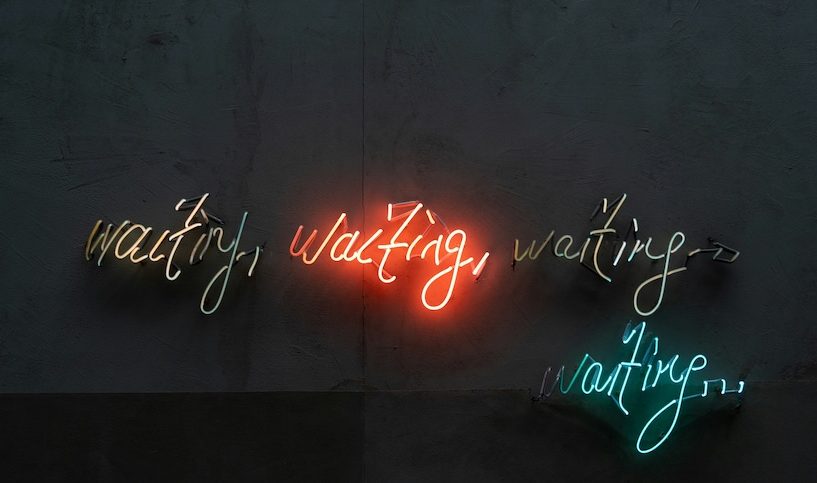
There is a particular kind of exhaustion that comes not from doing too much, but from not knowing what comes next. It is the fatigue of waiting — for news, for clarity, for things to return to something resembling normal. In Kuwait and across the region, many people have been living inside this kind of uncertainty for weeks. Schools have shifted online. Plans have been cancelled or indefinitely postponed. And beneath the surface of daily life, there is a quiet but persistent anxiety that many struggle to name, let alone address.
Psychologists call this state of prolonged uncertainty “ambiguous loss” — a grief without a clear ending, without a funeral, without the ordinary markers that tell us when something is over and we can begin to heal. When we lose something concrete, there are rituals to guide us through it. But when we are simply waiting — for a decision, for a change, for a situation to resolve — there is no script. We are left to manage our distress largely on our own, while also trying to function, parent, work, and hold it together.
The stress of waiting activates the same physiological responses as any acute threat. Cortisol rises. Sleep is disrupted. Concentration frays. Over time, chronic stress of this kind can affect the immune system, increase anxiety and depression, and erode our capacity for patience and connection — the very things we most need in difficult times. Understanding that what you are feeling is a normal response to an abnormal situation is the first, most important step.
So what actually helps?
The most powerful tool in uncertain times is reclaiming a sense of control — not over the situation itself, but over your response to it. This means identifying the things within your reach and focusing your energy there. Your routine. Your sleep. The meals you cook. The conversations you choose to have. These small anchors are not trivial. They are the scaffolding that keeps you upright when larger structures feel unstable.
It also helps enormously to give your anxiety a container. Many therapists recommend setting a specific “worry window” — a defined period of perhaps twenty minutes a day where you allow yourself to think through your fears fully. Outside of that window, when anxious thoughts arrive, you can acknowledge them and redirect: “I will think about that during my worry time.” This prevents anxiety from colonising the whole day.
Limiting exposure to news and social media is equally important. Staying informed is sensible. But the cycle of checking, refreshing, and absorbing every update is not informing — it is ruminating. Try to consume news once or twice a day from a reliable source, then step away. Your nervous system will thank you.
Connection is perhaps the most underestimated tool we have. Prolonged stress is made significantly worse by isolation, and significantly better by the simple presence of other people — not to fix anything, but just to be there. Reach out to someone you trust. Tell them honestly how you are doing. Ask how they are doing. There is profound relief in being seen by another person who is also trying to hold themselves together.
Finally, be patient with yourself. The prolonged nature of this stress means that good days and bad days will come without much warning. A week of coping well does not mean you have solved anything, and a rough day does not mean you are falling apart. You are navigating genuinely difficult terrain. The most honest and useful thing you can do is acknowledge that, take care of yourself with the same compassion you would offer a friend, and keep going — one day at a time.
Photo by Levi Meir Clancy on Unsplash.