
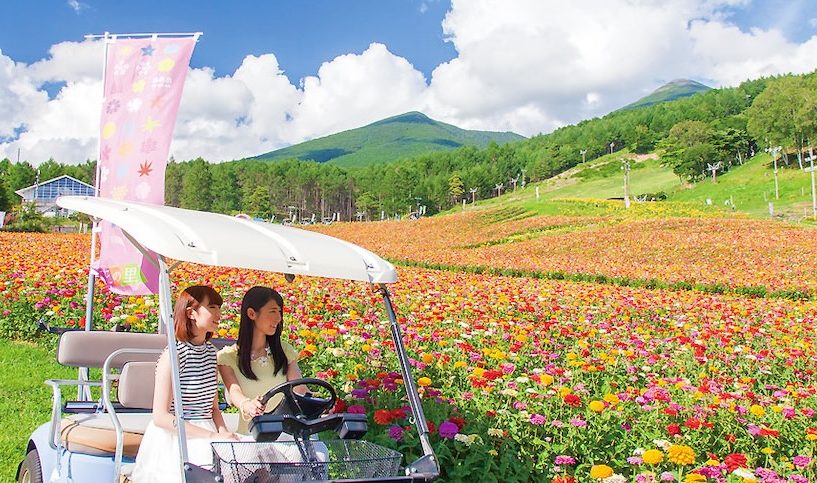
The air in Japan’s central highlands does not just shift with the seasons. As spring transitions into early summer, the Yatsugatake Highlands and the Southern Japanese Alps transform into a landscape defined by expansive space and an almost startling clarity. For the city dweller, it is more than a change in climate; it is a profound reset.
Located just two hours from the kinetic energy of Tokyo, this region serves as an antithesis to the frantic pace of modern life. It is not a destination for the check-list traveler, but rather for those who seek to engage with the natural world through a lens of comfort and curiosity. Whether you are navigating the rolling foothills or retreating into an art-filled sanctuary, the highlands invite you to abandon the itinerary and simply exist within the landscape.
The New Way to Roam
In the Yatsugatake Highlands, the terrain is vast, covering the intersection of Yamanashi and Nagano Prefectures. The modern solution to traversing this sprawl? The e-bike. Far from the intensity of traditional cycling, guided e-bike tours are designed for the gentle exploration of rural Japan. With electric-assisted support, the landscape becomes accessible to everyone, from families to the leisurely traveler. These routes are meticulously curated to wind through quiet forest trails and local farmland, turning a standard excursion into an intimate encounter with the region’s seasonal production and rural pulse.
Perspectives at Altitude
At 1,300 meters, Fujimi Kogen Resort offers an elevated take on the mountain experience. Here, the “Sozo-no-Mori” observation area acts as a natural gallery, providing sweeping views that stretch toward the Northern Japanese Alps and the iconic silhouette of Mount Fuji. But the resort’s true innovation lies in its hospitality. With services like the “Sky Cart,” the physical barrier to enjoying such vistas is removed. It is a thoughtful design approach, one that prioritizes accessibility and comfort, allowing visitors to dictate the pace of their own day, whether through forest trekking, a round of golf, or simply taking in the altitude.
The Season on a Plate
To understand Shinshu, which is modern-day Nagano, is to understand its rhythm of growth. Blessed with long hours of sun and dramatic temperature shifts between day and night, the region is a powerhouse of Japanese agriculture. At Miharashi Farm, situated against the backdrop of the Southern Japanese Alps, the calendar is dictated by the harvest. It is a place to connect with the land in its purest form: picking strawberries in the spring, blueberries in the heat of summer, or harvesting apples as the season turns. For those traveling in groups, the farm offers a grounding, tactile connection to local food culture, from the discipline of soba-making to the simple pleasure of walking trails that feel miles away from the world outside.
A Stay-in Museum
Perhaps the most distinctive retreat in the region is Hotel Keyforest Hokuto. In the highlands of Kobuchizawa, the property eschews the conventional hotel format in favor of a “stay-in museum” concept. Art is not merely a feature here; it is the core of the guest experience, with contemporary works integrated seamlessly into the property’s architectural DNA.
With only six rooms, the hotel offers a rare sense of intimacy. Large, floor-to-ceiling windows act as living frames for the Yatsugatake Mountains, while forest pathways connect guests directly to the Nakamura Keith Haring Collection. For those requiring total seclusion, the Ayus Villa Misen offers a private onsen and a rooftop terrace perfect for observing the crisp, clear mountain night skies.
It is a reminder that the most successful retreats are those that remove the noise of everyday life, leaving only the essentials: fresh air, thoughtful design, and a landscape that, for a few days at least, belongs entirely to you.