
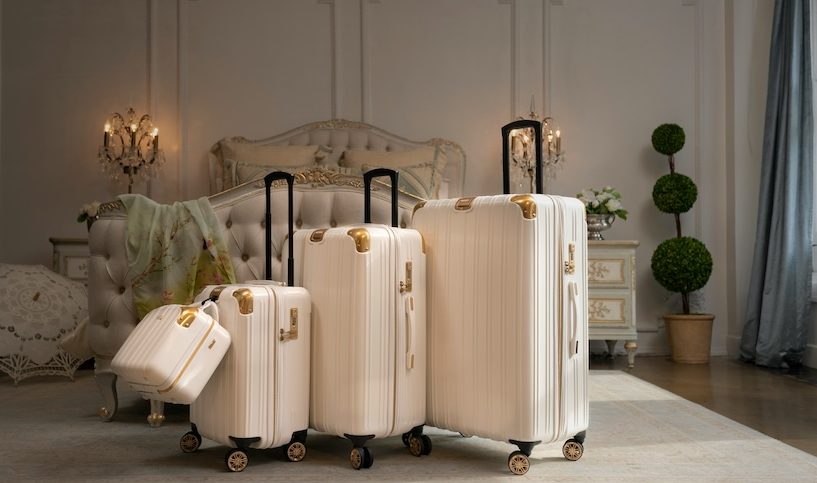
Packing has a way of becoming emotional. Faced with an empty suitcase, we begin imagining every possible scenario. What if it rains? What if we decide to dress up? What if I need a second pair of trainers? Before long, the suitcase is overflowing, yet somehow the one thing we actually need has been forgotten.
The secret to smart packing isn’t fitting more into your luggage. It’s taking less, but taking the right things.
Start With a Plan, Not a Suitcase
Frequent travelers often follow one simple rule: pack for the trip you’re actually taking, not the one you’re imagining. That mindset immediately changes every packing decision. A city break requires different clothing than a beach holiday. A family vacation has different priorities than a solo adventure. Once the destination, weather, and itinerary are clear, the suitcase becomes far easier to organize.
Before you pack a single item, make a list of your planned activities. Are you spending most of your time sightseeing? Will you need evening attire? Is there access to laundry facilities? Thinking through your itinerary helps eliminate the “just in case” items that rarely leave the suitcase.
Build a Capsule Wardrobe
One of the biggest mistakes people make is packing individual outfits rather than a wardrobe. Instead of choosing ten separate looks, build a small collection of pieces that work together. Neutral basics with two or three accent colors create dozens of combinations while taking up far less space. A lightweight shirt can become a beach cover-up during the day and dinner attire in the evening.
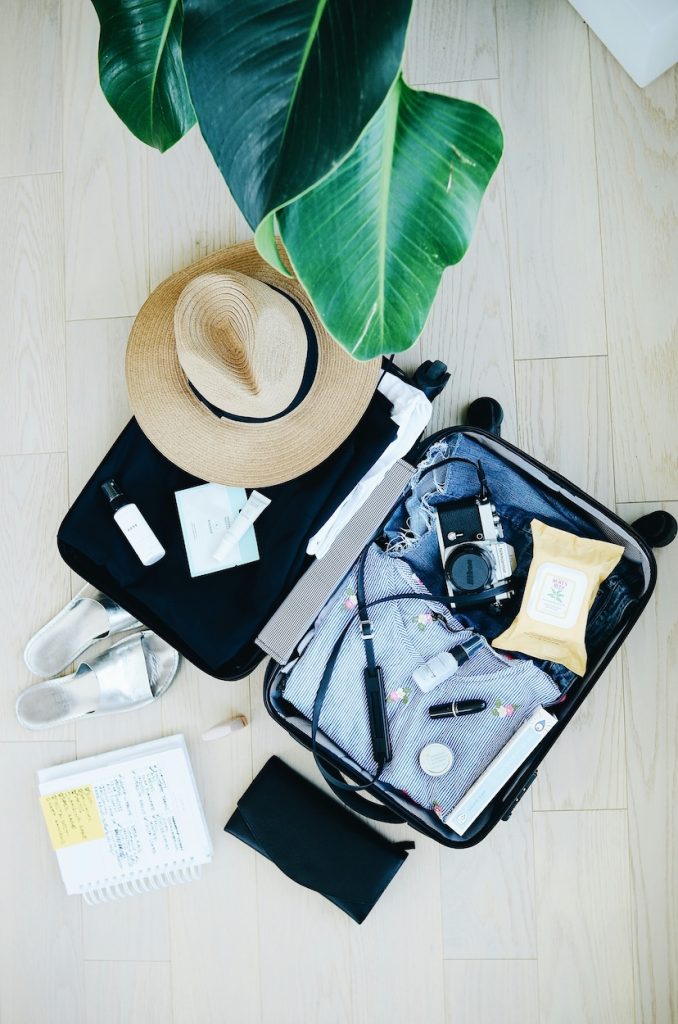
Shoes deserve special attention because they’re often the heaviest items in any suitcase. Unless you’re traveling for a special event, two pairs are usually enough: one comfortable walking shoe and one smarter option. Wear the bulkier pair during the flight to save valuable luggage space.
Rolling clothes rather than folding them remains one of the simplest space-saving tricks. Packing cubes make staying organized even easier, particularly on longer trips or when sharing luggage. Group similar items together so you’re not unpacking the entire suitcase every time you need a fresh T-shirt.
Pack Smarter, Not More
Toiletries are another area where overpacking is common. Travel-sized bottles are more than enough for most trips, and many hotels already provide everyday essentials. Decanting your favorite skincare into reusable containers lets you stick to your routine without sacrificing valuable luggage space.
Technology deserves its own pouch. Chargers, adapters, headphones, power banks, and cables have a habit of disappearing into suitcases. Keeping everything together saves time at airport security and makes unpacking far less frustrating.
One habit seasoned travelers swear by is creating a “first 24 hours” pouch. Pack medication, travel documents, toiletries, chargers, and one change of clothes in your carry-on. If checked luggage is delayed, you’ll have everything you need until it arrives.
Traveling With Family
Family trips require a little more strategy. Many parents recommend packing outfits by day instead of by child. Bundling complete outfits together makes busy mornings significantly easier, especially when traveling with younger children.
A well-stocked carry-on is equally important. Snacks, wipes, medications, reusable water bottles, hand sanitizer, and a spare outfit can make unexpected delays far less stressful. Keeping favorite comfort items close at hand, whether it’s a stuffed toy, blanket, or bedtime book, can also help younger children settle into unfamiliar surroundings.
Entertainment should also be varied. Tablets are useful, but so are coloring books, travel games, sticker books, audiobooks, and simple card games that help break up long journeys. Rotating activities throughout the flight keeps children engaged for longer.
Packing for Solo Adventures
Solo travelers often prioritize flexibility and security. Keeping digital copies of important documents, dividing valuables between bags, and carrying a portable charger offer extra peace of mind.
A lightweight crossbody bag quickly becomes one of the hardest-working items on the trip, while a reusable water bottle and compact first-aid kit help prepare for long sightseeing days without adding much weight. If you’re planning to explore on foot, comfortable shoes and a lightweight waterproof jacket are worth every centimeter of suitcase space.
Traveling alone also allows for more spontaneity, so avoid filling your suitcase to capacity. Leaving a little extra room makes it easier to adapt your plans or bring home local finds without needing an extra bag.
Leave Room for the Journey Home
Before zipping up your suitcase, think about the return trip. Leave a little space for shopping, or pack a foldable tote that can be used for souvenirs or laundry. Bringing a separate laundry bag also makes unpacking easier once you’re home.
Finally, try one last exercise before you leave. Remove three items from your suitcase. Chances are, you won’t miss any of them.
Travel should feel liberating, not weighed down by unnecessary baggage. A thoughtfully packed suitcase means fewer decisions, lighter airport sprints, easier hotel stays, and more time enjoying the destination itself.
After all, the best trips are remembered for the experiences collected, not the clothes left unworn at the bottom of the suitcase.
Photo by Marissa Grootes on Unsplash.