
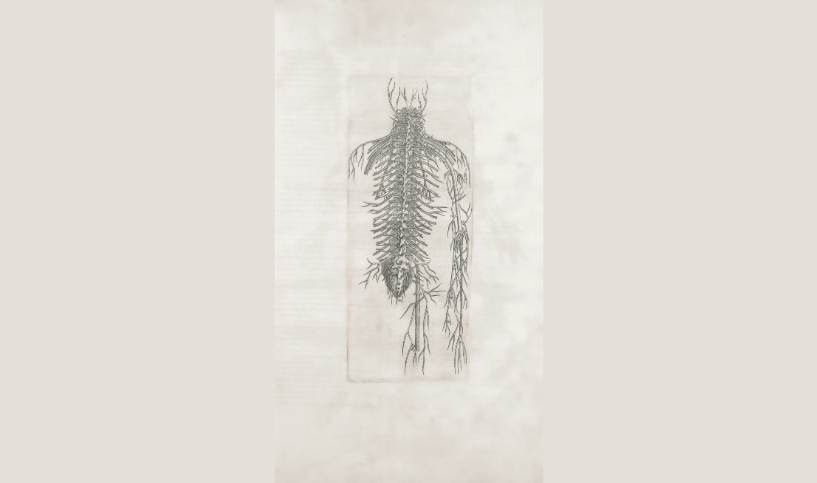
The vagus nerve has become something of a wellness-world celebrity. You may have seen it mentioned alongside breathwork, cold showers, meditation or “nervous system regulation,” often accompanied by claims that stimulating it can solve everything from anxiety to poor digestion. The reality is less dramatic, but arguably more interesting.
The vagus nerve is the longest cranial nerve in the body, running from the brainstem through the neck and into the chest and abdomen. Its name comes from the Latin word for “wandering,” an appropriate description for a nerve that travels so extensively through the body. It is a major part of the parasympathetic nervous system, which helps regulate involuntary functions including heart rate, breathing and digestion.
YOUR BODY’S COMMUNICATION NETWORK
Think of the vagus nerve as one of the major communication routes between your brain and your internal organs. It carries signals in both directions, allowing the brain to receive information about what is happening inside the body while also influencing how organs respond.
This makes it particularly relevant to the body’s response to stress. When we perceive a threat, the sympathetic nervous system helps prepare us for action. When the threat passes, the parasympathetic system helps the body move toward a calmer state. The vagus nerve is an important component of that latter system.
This does not mean it is a magical “relaxation button.” Your nervous system is an intricate network involving the brain, hormones, organs and many different nerves. But the vagus nerve is an important part of the machinery.
WHY DOES STRESS AFFECT YOUR STOMACH?
The connection between the brain and the digestive system is one reason the vagus nerve gets so much attention. The brain and gut communicate constantly through several pathways, including the vagus nerve.
You have probably experienced this connection without needing a biology lesson. Stress can make your stomach feel unsettled. Excitement can affect your appetite. Anxiety can make you feel nauseated. Your body is constantly communicating with itself, and the gut is very much part of that conversation.
The vagus nerve is involved in regulating digestive activity, although it is only one piece of a much larger system.
CAN YOU “ACTIVATE” IT?
This is where wellness advice can become misleading.
You will find countless techniques online described as ways to “activate” or “stimulate” the vagus nerve, including slow breathing, meditation, singing, humming and cold exposure. Some of these practices can certainly influence the body’s relaxation response, and slow, controlled breathing has been studied in relation to autonomic nervous system activity.
But that is different from claiming that a particular trick can “reset” your vagus nerve or cure a medical condition.
The sensible takeaway is much less glamorous: activities that encourage relaxation, regular breathing, sleep and recovery are generally good habits, and some may influence parasympathetic activity. You do not need an expensive gadget or a complicated protocol to benefit.
SO WHY SHOULD YOU CARE?
Because understanding the vagus nerve can help you understand something fundamental about your body: your brain and your organs are in constant conversation.
Modern life often keeps us in a state of stimulation. Notifications arrive, deadlines accumulate, news never stops and our attention is constantly being pulled somewhere else. Learning how your body responds to stress can encourage you to take recovery seriously rather than treating rest as something you earn after everything else is finished.
A few minutes of slow breathing will not magically transform your nervous system. Neither will humming in the shower.
But taking a moment to breathe slowly, step outside, eat properly, sleep enough and give your brain a break can support the systems that help your body move between alertness and rest.
And perhaps that is the more useful lesson behind the vagus nerve trend. You do not need to “hack” your nervous system.
You need to listen to it.
Photo by The New York Public Library on Unsplash.