It’s almost impossible to exist in today’s world without being part of the discourse around food, body-shaming, diet culture, or healthy eating. The internet is awash in advice that is based on pseudo-science or is completely unsubstantiated, and is often conflicting and confusing. Nawal Nazar is an exception, using compassion and evidence-based practices to help her clients. As a Clinical Dietitian specializing in eating disorders, Nawal’s story is one of resilience, cultural insight, and a relentless drive to change how we view food, health, and our bodies.
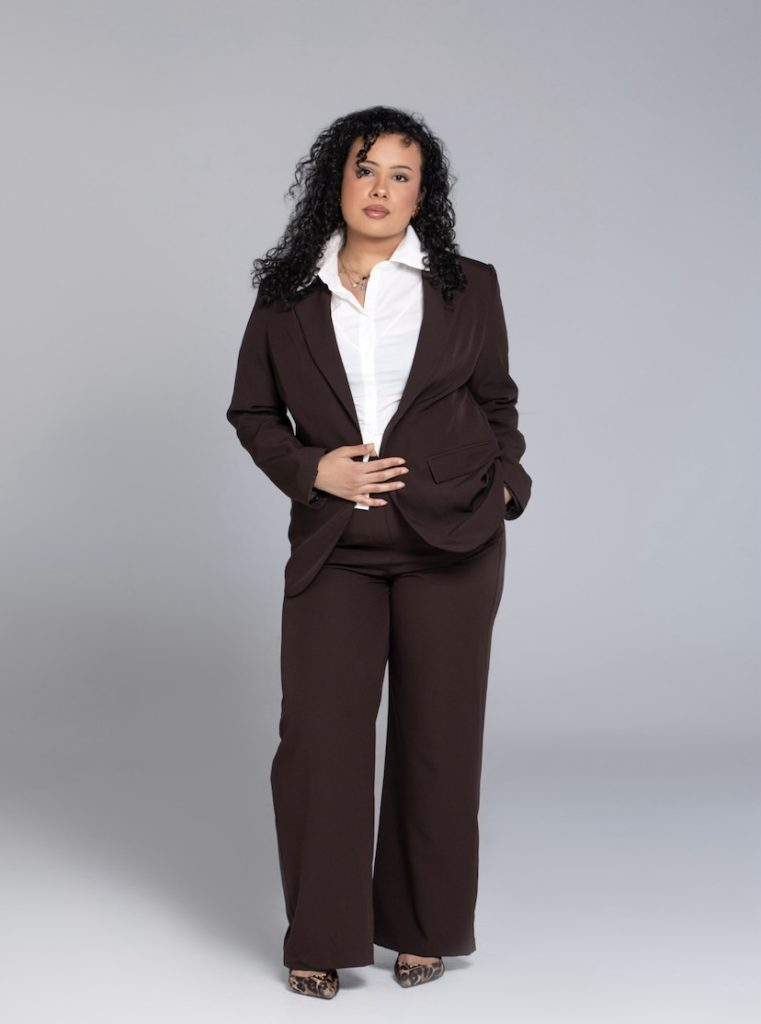
Nawal Nazar’s passion for nutrition began in the heart of her family kitchen in Kuwait, where she spent countless hours baking with her mother for her late grandmother. But her journey was far from easy. As a teenager, Nawal battled an eating disorder and, at just 15, was diagnosed with Hodgkin’s lymphoma. These challenges, rather than breaking her spirit, ignited a fierce desire to help others facing similar struggles.
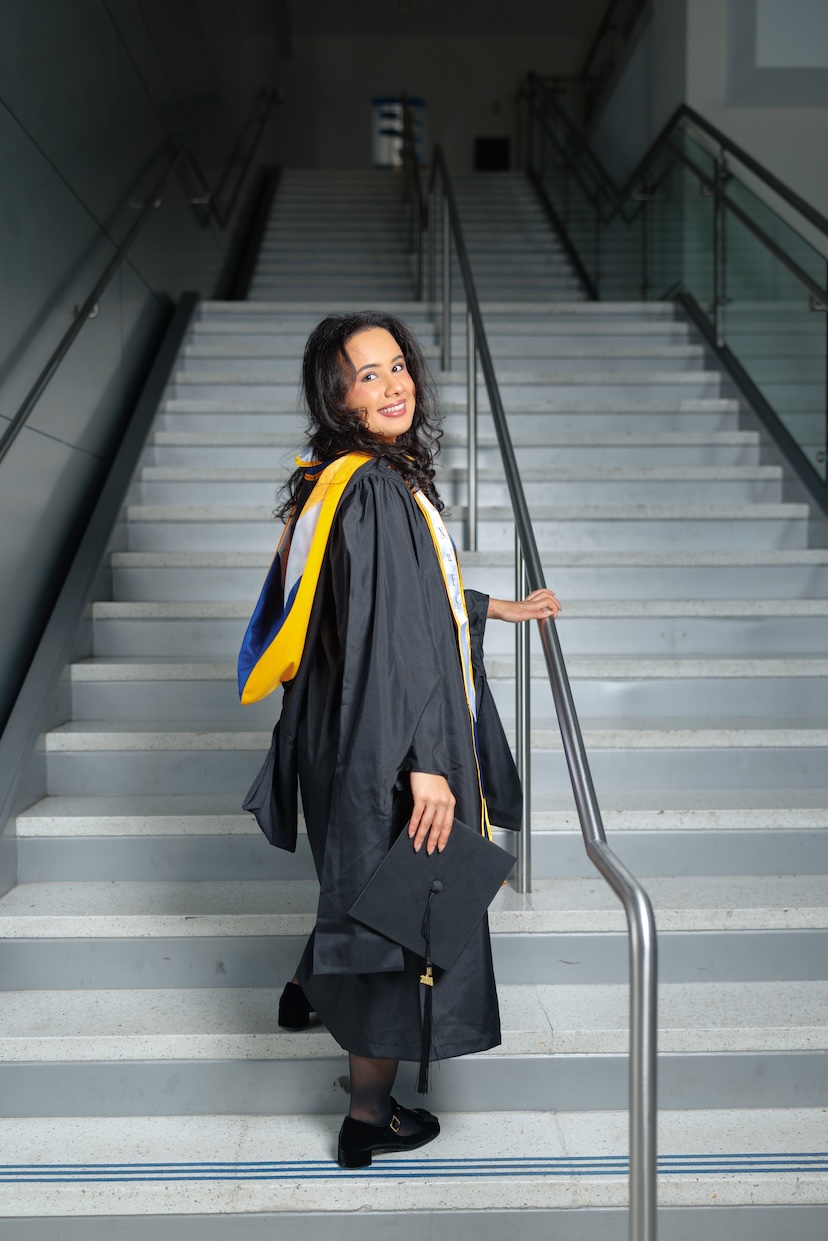
Determined to step outside her comfort zone, Nawal pursued an undergraduate degree in Dietetics and Nutrition at San Francisco State University, followed by a graduate degree in Nutritional Science at San Jose State University. Her time abroad was transformative, both personally and professionally. She volunteered and worked in various nutrition settings—from supporting college athletes at Stanford to working with in-patients at Sutter Health and at a residential eating disorder center.
Nawal is not only a Clinical Dietitian but is also working towards becoming a Licensed Dietitian Nutritionist (LDN) and a Certified Eating Disorder Specialist (CEDS), as well as earning the Certified Nutrition Specialist (CNS) credential from the American Nutrition Association. Her expertise is rooted in both academic rigor and lived experience, making her uniquely qualified to support clients struggling with eating disorders and chronic health conditions.
Nawal’s focus on eating disorders is deeply personal. Growing up in Kuwait, she experienced binge eating disorder, exacerbated by family members’ comments and societal pressures to conform to certain body ideals. She recalls the pain of shopping for Eid and feeling devastated by the lack of clothing options, despite being under 100 kilograms. Attempts to seek help from local dietitians were often met with rigid meal plans and a fixation on BMI, rather than an exploration of the underlying causes of her eating habits.
This experience highlighted a critical gap in care: the need for empathy, individualized support, and a rejection of one-size-fits-all solutions. Nawal’s mission is to be the helping hand she once needed, fostering meaningful change by creating safe, non-judgmental spaces for healing.
Confusion often surrounds the roles of dietitians, nutritionists, and health coaches. Nawal clarifies that dietitians complete rigorous academic training and provide medical nutrition therapy, focusing on the relationship between nutrition, health, and disease. Nutritionists, by contrast, offer general advice, while health coaches focus on overall well-being. Importantly, dietitians treat and manage health conditions through nutrition but do not diagnose medical issues.
Nawal has worked with a range of eating disorders, including anorexia nervosa, bulimia nervosa, binge eating disorder, Avoidant/Restrictive Food Intake Disorder (ARFID), and other unspecified feeding and eating disorders. She emphasizes that each disorder presents unique challenges and requires tailored nutritional support. The goal is always to help clients eat with balance and ease, attuned to their hunger and fullness cues, free from shame and guilt.
A poignant memory from her time at Cielo House, an eating disorder rehab, underscores the gravity of her work. She recalls an elderly client who, after years of battling anorexia, finally found healing—only to pass away shortly after discharge. This loss cemented Nawal’s commitment to being a force for change in the field.
Nawal’s approach to nutrition counseling is rooted in body autonomy and choice. She recognizes that eating disorders are complex coping mechanisms, shaped by genetics, environment, and personal history. There is no universal treatment plan; instead, recovery is a phased journey involving the gradual adoption of healthier behaviors and beliefs. She stresses that recovery is not linear and can take years, depending on the individual’s circumstances.
One of the biggest misconceptions about eating disorders is that they only affect teenage girls. In reality, people of all ages, genders, and backgrounds can struggle with disordered eating. There is also a tendency to equate eating disorders solely with anorexia or visible thinness, overlooking the many forms these conditions can take.
Warning signs of disordered eating are not always obvious. Nawal points to behaviors such as rigid dieting, unnecessary food restrictions, use of weight loss pills, excessive exercise, and an obsession with “clean eating” as potential red flags. Emotional responses to food—such as shame, guilt, or fear—are also indicators that someone may need support.
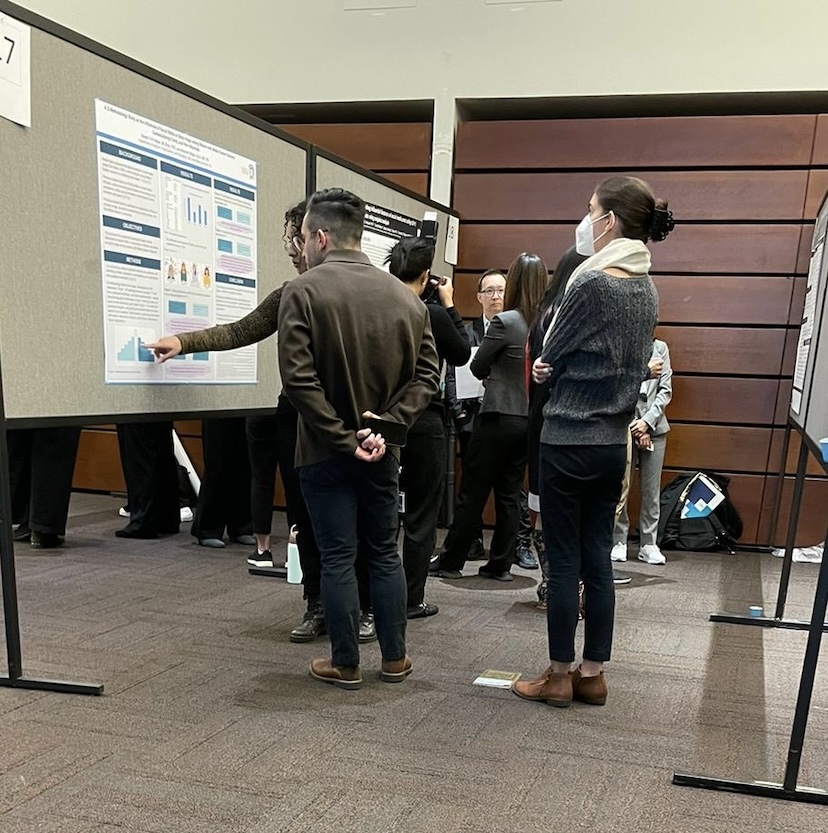
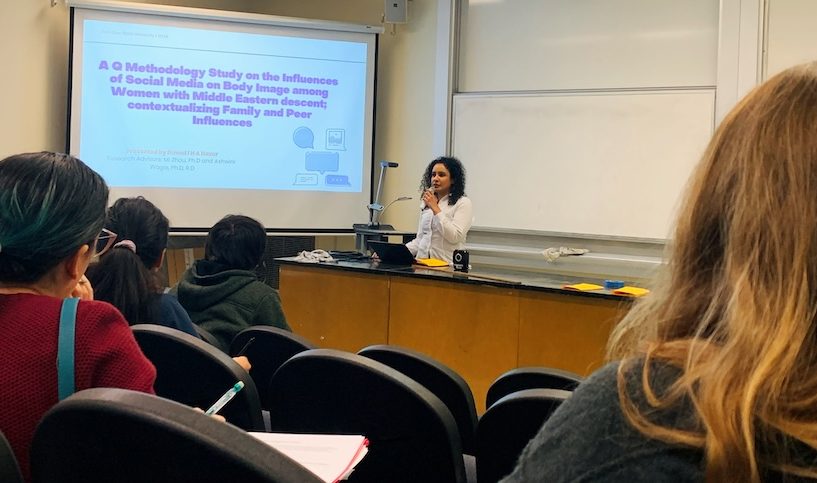
Nawal’s master’s research explored the influence of social media on body image among Middle Eastern women, revealing that family and peer pressures often amplify the impact of online body ideals. She advises clients to fact-check information, limit time online, and focus on nourishing their bodies rather than comparing themselves to edited images. Practicing portion control and mindful eating, while appreciating the body’s functionality, are key strategies she recommends.
While intuitive eating is a powerful tool for some, Nawal notes it may not be suitable for everyone—particularly those with leptin resistance or binge-eating disorder1. For her clients, she prioritizes building trust through a safe, judgment-free environment, fostering acceptance, and helping them develop new coping strategies that align with their unique needs.
In Kuwait, as in many cultures, weight stigma is pervasive. Comments from family, friends, and even healthcare professionals can be deeply triggering. Nawal is adamant that no one under 18 should ever be put on a diet, as their bodies are still growing. She calls for a cultural shift towards supporting healthy behaviors rather than policing weight.
Nawal acknowledges that there is nothing wrong with wanting to improve one’s nutrition or exercise habits. However, she warns against rigid meal plans and the conflation of thinness with health. Research shows that disordered eating behaviors harm mental health and body satisfaction, and that most people regain lost weight over time.
Instead, she advocates for balanced, nutrient-dense diets, appropriate portions, and a focus on well-being and self-care.
For parents and caregivers, Nawal emphasizes the importance of creating a supportive, non-judgmental environment. Avoid commenting on food, eating behaviors, or body size, and be mindful of language that could trigger a relapse. If a loved one does relapse, seeking professional help is crucial.
Today, Nawal practices what she preaches: embracing body diversity and rejecting narrow definitions of health. She reminds us that health comes in all shapes and sizes, and that outward appearance is never a reliable indicator of someone’s well-being.
Nawal is currently expanding her research, pursuing additional certifications, and planning to open a residential or outpatient eating disorder facility in the coming years. Her vision is to build a multidisciplinary team dedicated to supporting recovery and changing the narrative around food and body image in her community.
Nawal Nazar’s journey reminds us that healing is possible, and that true health is about much more than numbers on a scale. Her story is a call to embrace compassion, challenge harmful norms, and celebrate the diversity of our bodies and experiences.
TRUTH OR DARE
How would your mother describe you in one word?
Resilient, as I have fought big waves and continue to chase bigger achievements.
How would you describe your mother in one word?
Supportive, as she has always believed in my dreams and is my number one supporter.
What is the most ridiculous question you’ve ever been asked?
When I studied abroad, a lot of people thought I was either, light-skin mixed race, or Latina. Even though, I am fully Kuwaiti.
What is the most spontaneous thing you’ve ever done?
Participated in two fashion shows as a model, despite the fact I’ve never had an interest in being the spotlight or pursuing it as a career.
What is your theme song?
Changes by David Bowie or Follow the Body by Zanias.
What word in the English or Arabic language do you wish you had invented?
Malarkey or Bizarre – I don’t know why, I just love how they sound especially in a British accent.
Where would you like to live?
I’ve found myself in San Francisco, however I see myself living in a place where judgement and societal expectations don’t exist – wherever that may be.
What is your dream retirement location?
Even though I am a city girl, I would love to retire somewhere next to the water – so I can eat fresh mangoes every day, soak in the sun and read countless books.
What is the first famous quote that comes to your mind?
“Let go, let God,” – even though it instantly reminds me of Vinny from Jersey Shore, I resonate with that quote. To simply let God take the wheels, have full faith in His plans and let go of any worries.
Which animal best describes your perfect partner, be it in business, or in life?
A rabbit, as I love munching on vegetables and fruit.
Do you miss anything from your childhood and if so, what is it?
Honestly being carefree – not having to worry about finances, responsibilities and the “next” step.
If you could change your name, to what would you change it?
I wouldn’t want to; I love my name. I was named after my aunt, Nawal Al Shatti – who I’ve been told that I resemble.
How would you describe your handshake, in one word?
Firm, yet soft.
What is the toughest part of your character?
I fire back quick – which has put in sticky situations in the past. However, I’ve learnt to keep some things to myself, or word them differently.
Who is your favorite historical figure?
Amy Winehouse, of course. She broke many barriers, whether it be her fashion sense, musical style, or societal expectations – she followed her passions.
What in the world do you least desire?
Selfishness. Don’t get me wrong, you are supposed to put the oxygen mask on yourself first before others. However, it is disheartening seeing people disregard others and have the mentality of “I’ve gone through that, so other must,” – instead for advocating better outcomes for others.
What do you think is lacking in the world, which [if there were more of it] would make the world a better place?
Lack of empathy. Many individuals put themselves on a pedestal, and disregard lower-income communities, or expats, especially in Kuwait. We should look out for them, because no one chooses their nationality, race or even their family name.
Why do you think most people who do, like you?
My love language is acts of service, and I love hosting my loved ones. I love making them feel like they are at the top of the world.
Finish this sentence: “Happiness is…”
Within yourself. Don’t ever seek it within others.
If you are interested to learn more or work with her, you can find Nawal on Instagram @eatwithnawal or on LinkedIn: Nawal Nazar.