Looks maxing started as an incel-adjacent internet term for optimizing your physical appearance to its genetic ceiling. It has since migrated, quietly and without much acknowledgment, into the mainstream. Skincare routines with seventeen steps, laser treatments discussed as casually as haircuts, the slow replacement of “self-care” with something that looks a lot more like an investment strategy. The language changed. The logic didn’t.
This isn’t new. Research has documented the “beauty premium” for decades: attractive people earn more, get hired faster, and are perceived as more competent, more trustworthy, more everything. What’s changed is that the optimization is now conscious, systematic, and openly discussed. People aren’t just trying to look good. They’re trying to maximize returns.
Somewhere between green juice and collagen peptides, wellness and appearance optimization became the same project. The language of health gets borrowed to justify what is really an aesthetic pursuit, which isn’t inherently wrong, but it does make it harder to interrogate your actual motivations. Are you doing this because it makes you feel good, or because feeling good and looking good have become so thoroughly collapsed that you can no longer tell the difference?
The beauty industry has always sold insecurity repackaged as solution. What looks maxing culture adds is a layer of rationality that makes the spending feel less like vanity and more like strategy. If your face is capital, then retinol is an investment, filler is infrastructure, and sunscreen is risk management. The framing is clever. It is also, if you follow it far enough, completely exhausting.
Appearance culture here has its own particular texture. There is a long tradition of taking pride in presentation, of dressing well as a form of respect, for yourself and for the people you’re with. What’s newer is the pressure to optimize rather than simply care, to treat the face and body as a project with metrics rather than a self to be comfortable in.
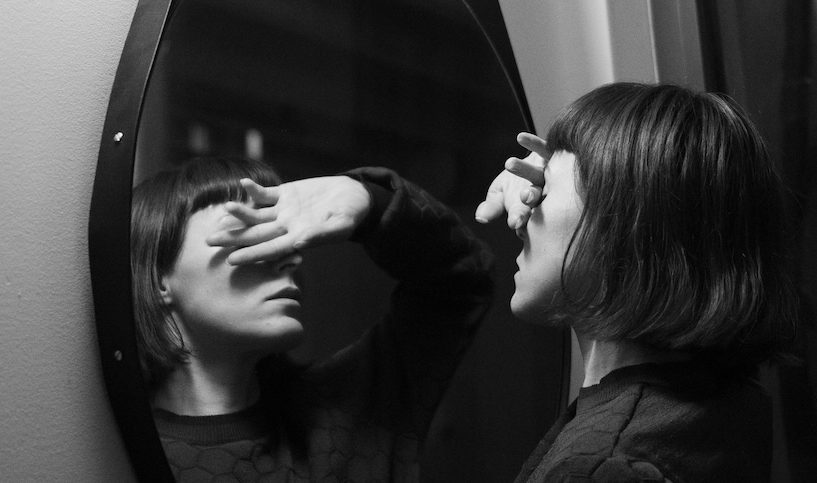
Looks maxing as a concept is honest in a way that “self-care” often isn’t. It admits that appearance carries social value, that the playing field is not level, and that people are responding to real incentives. The more interesting question is what it costs to live inside that logic full-time, not financially, but in terms of how you relate to your own face when nobody is evaluating it.
Photo by Milada Vigerova on Unsplash.