
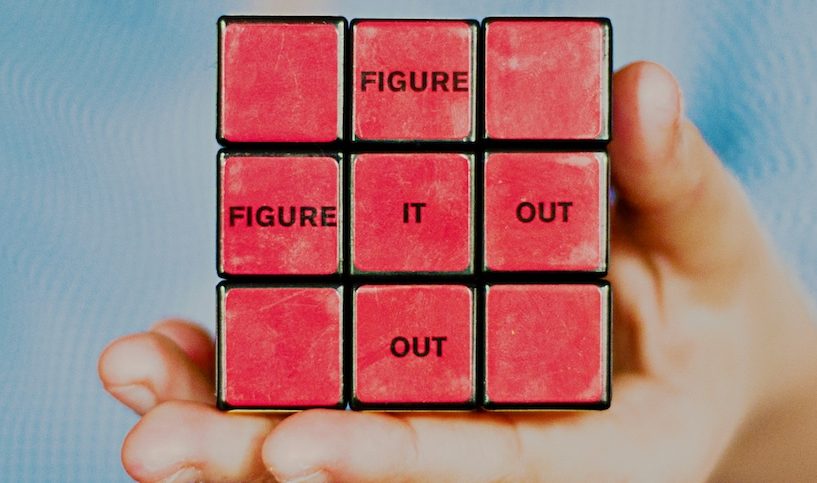
Life throws problems at us every day. Some are small and quick to solve—like a last-minute schedule change. Others are more complex—conflicts at work, personal decisions, or unexpected setbacks. No matter the size, good problem-solving skills can make the difference between feeling stuck and moving forward with clarity and confidence.
The good news? Problem-solving is not a mysterious talent you’re either born with or not. It’s a skill—one that can be learned, practiced, and improved over time. Whether you’re trying to make better decisions, resolve conflicts, or handle challenges with less stress, these strategies can help you get better at solving problems—big and small.
- Define the problem clearly
It sounds obvious, but many people jump straight into fixing something before fully understanding what the problem is. Take a moment to step back and ask: What exactly is going wrong? Be specific. Vague issues like “I’m unhappy at work” can’t be solved without breaking them down. Is it your workload? Your role? A difficult colleague? The clearer you are, the easier it is to find a solution. - Break it down
Big problems feel overwhelming because they often include a mix of emotions, unknowns, and moving parts. Try breaking the issue into smaller pieces. If you’re facing financial stress, for example, look at it in parts: income, spending, debt, and savings. Solving one manageable piece at a time builds momentum and makes the process less daunting. - Look at it from different angles
Sometimes we get stuck in a single perspective and miss other options. Try asking yourself, How would someone else approach this? What would your best friend suggest? What if you looked at it from a long-term point of view instead of short-term urgency? Changing your angle helps uncover creative solutions you might not have considered. - Stay calm and emotionally grounded
High stress clouds judgment. When we’re anxious or angry, our brain switches into fight-or-flight mode—which isn’t ideal for rational thinking. Before diving into solving a problem, take a moment to breathe, step away if needed, and ground yourself emotionally. A clear mind leads to better choices. - Generate multiple solutions
Don’t settle for the first answer that comes to mind. Try brainstorming several possible solutions—even the silly or “impossible” ones. You might be surprised by what sparks a real idea. Aim for quantity before judging quality. Then narrow your list to the most realistic and effective options.
Evaluate the pros and cons
Once you’ve got a few ideas, weigh the potential outcomes of each. Ask: What are the benefits? What are the risks? What’s the easiest to try first? Not every solution will be perfect, but you’re looking for the one with the most upside and the least downside. - Take action—even small steps count
The best plans mean nothing without action. Choose a direction and start moving, even if it’s a small first step. Often, action itself brings clarity. You learn what works and what doesn’t. If something fails, adjust and try again. The key is progress, not perfection. - Reflect and learn from each problem
Every challenge is an opportunity to build your problem-solving muscle. After you’ve handled an issue, take a moment to ask: What worked? What would I do differently next time? Reflecting on your process builds self-awareness and prepares you for future challenges.
Bonus Tip: Ask for help when needed
Being a strong problem-solver doesn’t mean doing it all alone. Sometimes the best thing you can do is get input from someone you trust. A fresh perspective or expert advice can save you time and energy—and shows maturity, not weakness.
Getting better at problem-solving isn’t about never having problems again. It’s about facing life with more confidence, resourcefulness, and clarity. And like any skill, the more you practice, the better you get. So the next time something goes wrong, remember: you’ve got tools, strategies, and the ability to figure it out—one step at a time.
Photo by Karla Hernandez on Unsplash.