
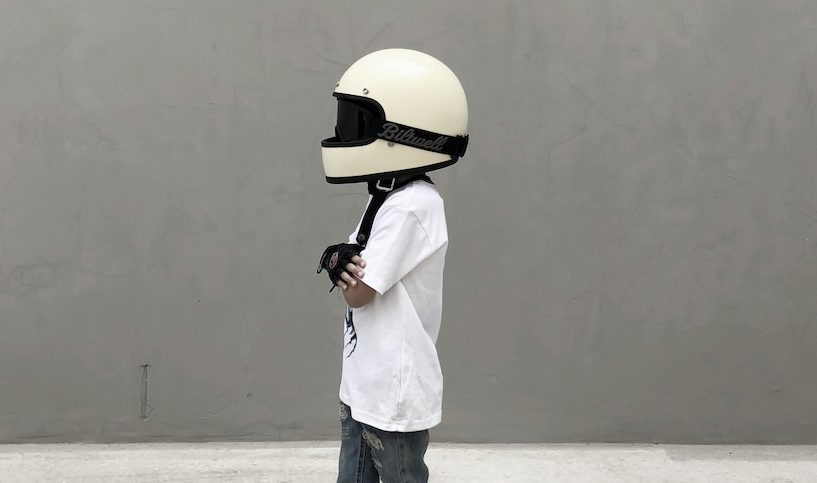
As parents, we want nothing more than to protect our children—but we also want them to grow into capable, confident individuals who can thrive in an unpredictable world. That means teaching them not just how to stay safe, but how to think for themselves, manage emotions, form healthy relationships, and bounce back from challenges.
The world they’re stepping into is fast-paced, complex, and sometimes overwhelming. But with the right guidance and a strong emotional foundation, children can be prepared—not just to survive, but to thrive.
Here’s how you can help your child get ready to face the world, one life skill at a time.
1. Build Their Confidence Early
Confidence is the cornerstone of resilience. Children who believe in themselves are more likely to try new things, stand up for themselves, and handle setbacks. One of the simplest ways to build confidence is by encouraging effort over outcome. Praise your child for trying, not just succeeding. Let them make decisions—even small ones like picking out their clothes or choosing between two snacks. When children feel heard and trusted, they begin to trust themselves, too.
2. Teach Problem-Solving Skills
The world won’t always offer clear answers, and that’s okay. What your child needs is the ability to think through a situation, weigh options, and make informed choices. Help them practice this from a young age. If they come to you with a problem, resist the urge to immediately fix it. Instead, ask: “What do you think you could do?” or “What are some possible solutions?” This encourages independent thinking and gives them tools to handle challenges on their own.
3. Model Emotional Intelligence
Children learn how to regulate emotions by watching how we manage our own. When you’re feeling frustrated or overwhelmed, talk through it calmly: “I’m upset right now, so I’m going to take a few deep breaths.” Show empathy for their feelings, even when they seem dramatic: “I can see you’re really disappointed about that.” Naming emotions helps children understand and express their own. This sets the stage for healthier relationships and better self-control.
4. Teach Them to Be Kind and Assertive
We often focus on raising kind children—and rightly so. But kindness alone isn’t enough. Kids also need to know how to assert themselves, set boundaries, and recognize when something isn’t okay. Role-play different scenarios with your child: how to say “no” politely but firmly, how to speak up when they see someone being mistreated, and how to ask for help when they need it. Assertiveness is not the opposite of kindness—it’s its ally.
5. Let Them Fail (and Learn From It)
It’s tempting to smooth every bump in your child’s path. But failure is where growth happens. When something goes wrong—a bad grade, a lost toy, a missed opportunity—resist the urge to rescue. Instead, offer support and reflection. Ask, “What do you think went wrong?” and “What would you do differently next time?” These moments teach grit, adaptability, and self-awareness, all of which are essential for navigating the adult world.
6. Encourage Curiosity About the World
Raise a child who is curious, not fearful. Introduce them to new cultures, ideas, and perspectives. Read books from different parts of the world. Talk about current events in age-appropriate ways. If they ask tough questions, don’t shy away from them. When children are taught to ask questions and seek understanding, they grow into thoughtful, open-minded adults.
7. Foster a Strong Sense of Identity
A child who knows who they are is less likely to be swayed by peer pressure or societal expectations. Celebrate their unique traits, interests, and backgrounds. Help them connect with their heritage and values. Encourage journaling, creative expression, or simply open conversation about what matters to them. A solid sense of self gives them the strength to stand firm in a fast-moving world.
8. Stay Connected
Perhaps the most important thing you can do is maintain a strong relationship with your child. No matter how independent they become, they need to know you’re a safe place to land. Check in often—not just about school and activities, but about how they feel and what they’re thinking. Listen without judgment. Your presence and belief in them is what will carry them forward, long after they’ve left your side.
Preparing your child to face the world isn’t about shielding them from it—it’s about giving them the skills, support, and confidence to meet it head-on. And while the world will continue to change, the values you instill today—resilience, empathy, curiosity, and courage—will serve them for a lifetime.
Photo by Aaron Torres on Unsplash.