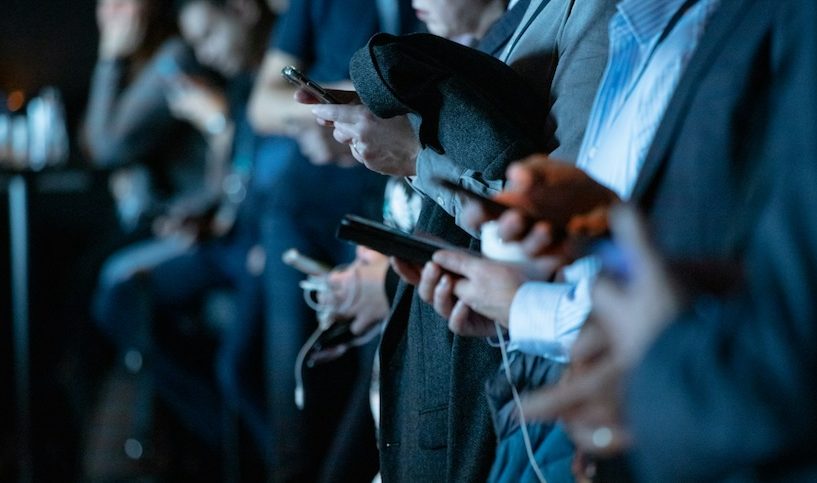
We scroll, click, like, and share more content in one day than previous generations consumed in a week. But with that tidal wave of information comes a new kind of challenge—how do we know what’s real, what’s biased, and what’s just noise? The answer lies in a skill most of us were never formally taught, but urgently need: media literacy.
Whether you’re a student getting news on TikTok, a professional navigating LinkedIn posts, or a parent trying to decode WhatsApp forwards from the family group chat, media literacy is essential to thriving in the modern world. Here’s what it is, why it matters, and how you can level up your media smarts—starting now.
What is media literacy?
Media literacy is the ability to critically access, analyze, evaluate, and create media. That includes everything from news articles and Instagram posts to YouTube videos, podcasts, ads, and memes. It’s not just about spotting fake news—it’s about understanding how and why media messages are made, who made them, and what impact they might have.
A media-literate person doesn’t just consume content. They question it:
- Who created this?
- What is their purpose?
- What’s being said—and what’s being left out?
- How does it make me feel, and why?
In short, media literacy helps you see the message behind the message.
Why is it important now more than ever?
We live in an age of information overload—but also, misinformation overload. AI-generated deepfakes, emotionally charged headlines, influencers blurring the line between content and ads—it’s hard to tell what’s authentic and what’s designed to manipulate.
Here’s why media literacy matters in 2025:
- Fake news spreads faster than the truth. Studies show false information spreads more rapidly on social media than verified facts. Without media literacy, we’re more likely to be misled—and to pass on that misinformation to others.
- Algorithms shape your worldview. Social media platforms are designed to feed you more of what you like, which can create echo chambers. Media literacy helps you break out of these bubbles and seek diverse perspectives.
- Marketing is everywhere. From influencer recommendations to “sponsored content” that looks like real news, media today is full of subtle advertising. A media-literate person can recognize persuasion tactics and decide what to trust.
- Young people are especially vulnerable. Teens and kids spend hours online every day. Media literacy empowers them to think critically about what they see, rather than just absorbing it.
- Democracy depends on informed citizens. When people don’t understand what’s real or what’s biased, they’re more likely to disengage—or worse, act on false information. Being media literate means being an active, thoughtful participant in society.
How to become media literate—fast
Becoming media literate doesn’t require a university course. Here are practical ways to boost your skills starting today.
Ask the right questions
Every time you see a post, video, or headline, pause and ask:
- Who made this?
- What do they want me to think or do?
- What facts are being used—and are they verified?
- What voices are missing from this story?
This mental checklist trains your brain to engage, not just consume.
Double-check before you share
Before you forward that dramatic news story or shocking image, take 30 seconds to verify:
- Google it.
- Check the date—is it current or old news being recycled?
- Look it up on a fact-checking site like Snopes, Reuters Fact Check, or AFP Fact Check.
A quick check can save a lot of embarrassment—and help stop the spread of misinformation.
Diversify your media diet
If all your news comes from one place—or one algorithm—you’re only seeing part of the picture.
Follow a mix of sources: international, regional, left-leaning, right-leaning, independent.
Try to include:
- At least one trusted global news outlet
- A few regional voices
- A media watchdog or fact-checking account
The goal isn’t to agree with everyone—it’s to see the full spectrum.
Spot emotional manipulation
If a post makes you feel angry, outraged, or superior—pause. Emotional content is often designed to bypass your logic and go straight to your reaction.
Ask yourself:
“Is this post using fear, shame, or flattery to push a point?”
If so, approach with caution.
Understand AI-generated content
Today, AI can create photos, videos, and even entire articles that look real. Train yourself to spot the signs:
- Inconsistent lighting or distorted details in images
- Content that sounds robotic or oddly generic
- No clear author or source listed
Use reverse image search tools like Google Lens to verify photos, and always check multiple sources.
Teach others
Media literacy isn’t just for you—it’s a skill we need to share. Talk to your parents about how to spot fake WhatsApp forwards. Teach your younger siblings how to check sources. Share helpful fact-checks or infographics on your social feed.
When we help others become more media literate, we create a smarter, stronger community.
Final takeaway
Media today is fast, emotional, and designed to grab your attention. But when you learn to pause, question, and analyze what you see, you unlock a powerful ability: to think for yourself in a world full of spin.
Media literacy isn’t about becoming cynical. It’s about becoming curious—and choosing what to believe, share, and support with intention.
In a world where anyone can post anything, being media literate isn’t a luxury. It’s a survival skill.
And the good news? It’s a skill you can start sharpening now—one click, one question, one pause at a time.
Photo by Julius Drost on Unsplash.