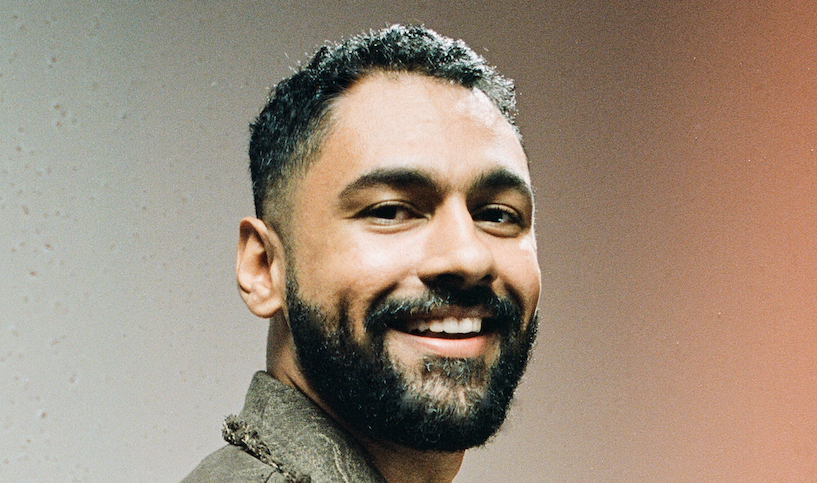
For centuries, artists have used the tools available to them to translate imagination into form. From paint and film to digital photography, every technological shift has reshaped how stories are told. Today, artificial intelligence has entered that lineage, opening a new chapter that is as controversial as it is transformative. At the center of that conversation is Mujahid Almalki, the Omani artist and founder of Sard, a visual storytelling platform that blends cultural narrative with emerging technology.
The name itself carries meaning. Sard, derived from the Arabic word سرد, refers to the act of narration or storytelling, the weaving together of events, emotions, and memory into a coherent narrative. For native Arabic speakers, it also suggests the act of building a story, layering it with intention, details, and choices until something tangible emerges. The choice reflects Almalki’s central idea that images, like words, can carry stories.
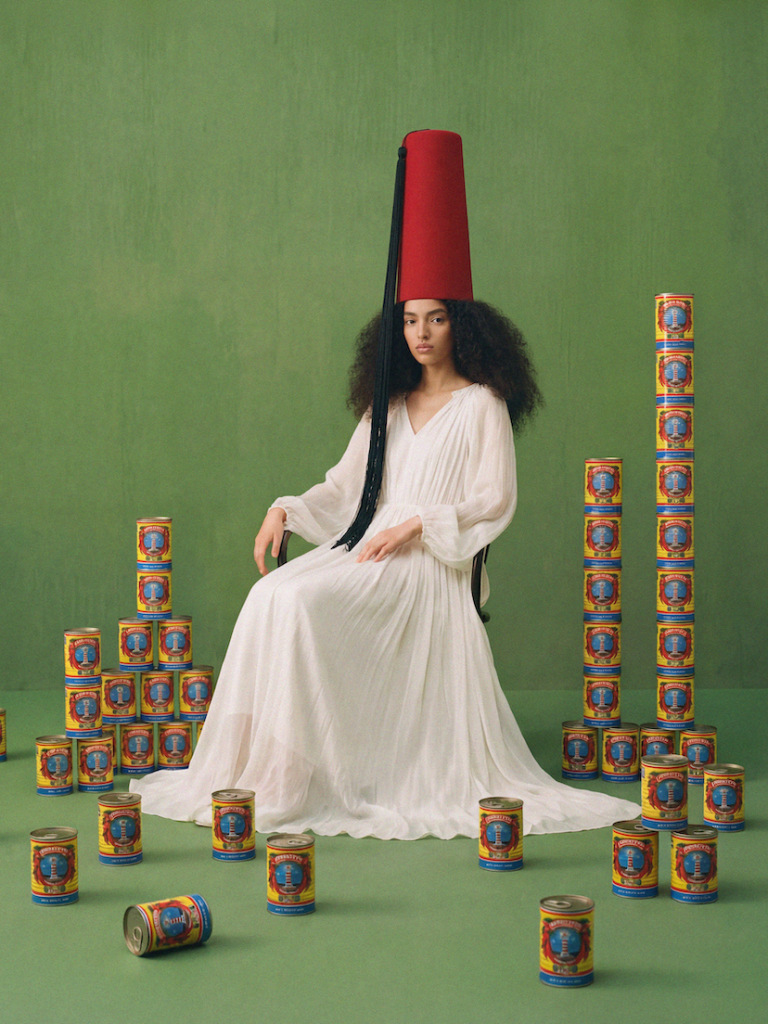
For Almalki, the path toward Sard did not begin with artificial intelligence. It began with photography.
Before Sard existed, photography played a huge role in shaping how he sees the world. Through the lens, he learned to observe emotion, atmosphere, detail, and timing with greater sensitivity. But beyond technique, photography awakened something deeper: a fascination with storytelling through images, particularly stories connected to culture, identity, and human experience.
“I was always drawn to visual storytelling,” he explains. “Especially stories connected to culture, identity, and human feeling.”
As his ideas expanded, however, so did the practical limits of traditional production. Many of the scenes he imagined required resources, locations, or logistical coordination that were difficult to achieve through conventional methods alone. The gap between imagination and execution became increasingly clear.
Rather than narrowing his vision, those limitations pushed him to explore new tools.
That search eventually led him toward artificial intelligence and the possibility of constructing visual worlds that would otherwise be difficult to realize. From that experimentation, Sard was born.
At first glance, Almalki’s academic background may seem far removed from the art world. He studied aerospace engineering, a discipline defined by precision, systems thinking, and analytical rigor. Yet those qualities now shape the way he approaches creativity.
Engineering trained him to think structurally, to break complex problems into workable systems, and to refine ideas through careful iteration. That mindset now sits alongside his artistic intuition.
“I approach art with both intuition and systems thinking,” he says. “I care deeply about emotion and aesthetics, but I also think a lot about process and construction, and how an idea can move from imagination into something tangible and refined.”
The result is work that feels cinematic and atmospheric while still carrying the discipline of careful design. Behind each image lies not just inspiration but a thoughtful process of development.
Despite working with advanced technology, Almalki’s creative process begins in a surprisingly quiet place.
Before generating images or building visual compositions, he prefers to sit with an idea first. Sometimes that means collecting references, writing loose thoughts, or letting an image slowly take shape in his mind.
“For me, the creative mindset begins with stillness,” he says. “I like to sit with an idea before rushing into execution.”
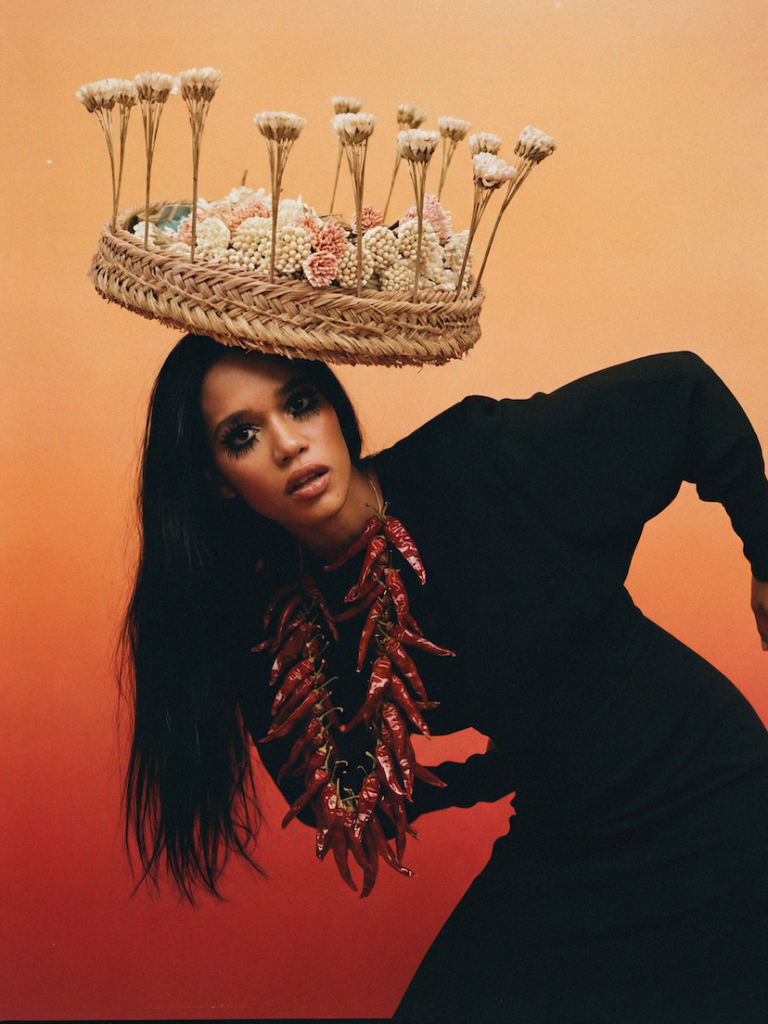
Music, memories, and cultural imagery often guide this early stage. Instead of forcing ideas forward too quickly, he allows them to develop until their emotional direction becomes clear.
This patience reflects a broader belief that the tool should never lead the work. The emotional intention must always come first.
Few developments in contemporary art have sparked as much debate as artificial intelligence. Questions around authorship, originality, and ethics continue to shape discussions across the creative world.
Almalki does not dismiss those concerns. In fact, he believes the conversation is necessary.
“I understand the controversy, and I think it is important that these conversations continue seriously and honestly,” he says.
For him, the distinction lies in where authorship truly exists. While AI may assist in generating images, it does not carry the emotional experiences that give the work meaning.
“AI can generate an image, but it cannot independently feel, remember, or understand emotional nuance the way a human does,” he explains. “That part still has to come from the artist.”
In his view, artificial intelligence functions as a creative tool rather than a replacement for artistry. Just as photography once reshaped visual storytelling, AI introduces a new medium that artists can direct with intention.
“The machine does not dream for me,” he says. “It does not carry my memories, my culture, my emotions, or my perspective. My role is to direct, refine, question, and shape.”
At the same time, he emphasizes that working with emerging technology requires responsibility. Transparency, thoughtful use, and ethical awareness remain essential as the medium evolves.
One of the unexpected challenges Almalki has encountered while building Sard is the widespread assumption that AI generated imagery is effortless.
From the outside, it can appear as though the process involves little more than typing a prompt and receiving a finished image. In reality, the work often involves numerous iterations, adjustments, conceptual refinements, and creative decisions before a final piece emerges.
Another challenge has been building credibility within a medium that continues to evolve rapidly.
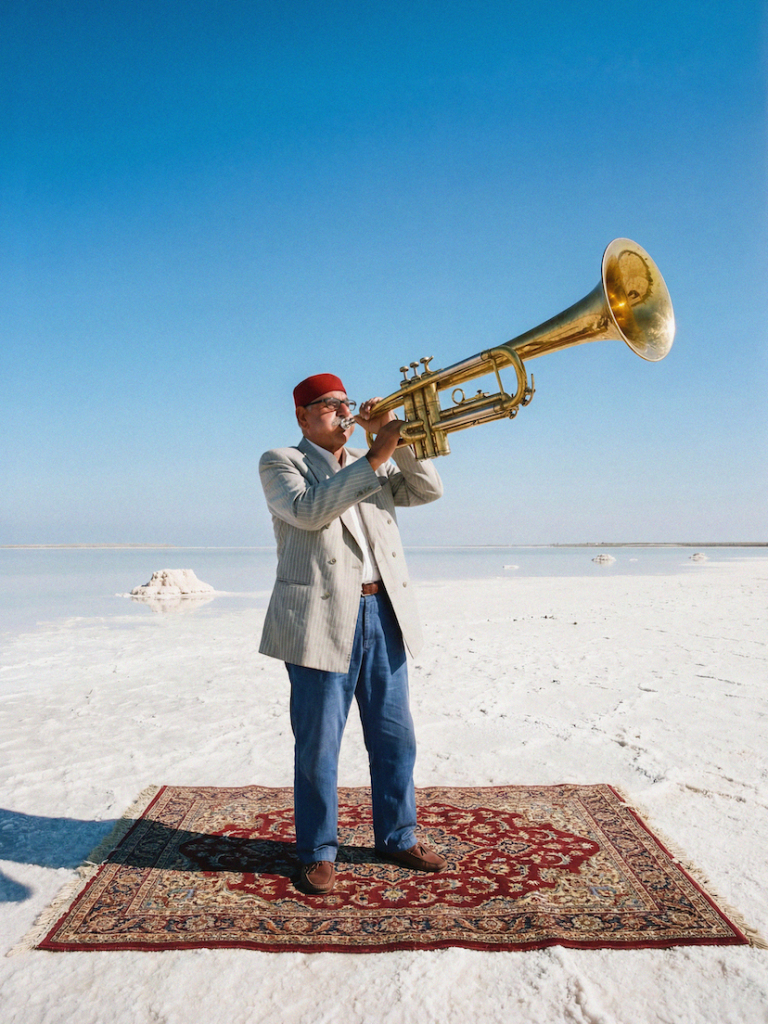
“When a medium is new, people often misunderstand both its limitations and its potential,” he says.
Part of his work has therefore involved demonstrating that thoughtful authorship and artistic discipline still exist within AI driven creation.
Once an image is released into the world, Almalki believes it takes on a life beyond its creator.
Viewers inevitably bring their own memories, experiences, and emotional associations into what they see. Sometimes those interpretations reveal meanings he did not consciously embed in the work.
“Sometimes those interpretations reveal something I had not consciously realized myself,” he says. “I find that very beautiful.”
For him, the success of a piece lies in its ability to create a genuine emotional connection. The openness of interpretation becomes part of the artwork’s life.
While Sard explores the frontier of digital creation, its foundation remains deeply cultural.
Almalki’s identity as an Omani and an Arab shapes the stories, textures, and atmospheres that appear throughout his work. These references are not presented as nostalgia but as living elements within contemporary visual language.
“My cultural context is central to everything I do through Sard,” he says.
He is drawn to imagery that reflects the region’s landscapes, symbols, and emotional tones, while presenting them in ways that feel visually fresh and globally resonant.
“A lot of my work is about showing that our stories can be deeply rooted and visually forward looking at the same time.”
As Sard continues to evolve, Almalki is thinking beyond individual images or commissioned projects.
He is increasingly interested in shaping Sard into a broader storytelling platform, one that explores more cinematic and emotionally layered narratives.
“I am exploring projects that feel more cinematic, emotionally layered, and culturally grounded,” he says.
The shift reflects a desire to build something with lasting presence rather than a collection of isolated works.
When asked about the future of Sard, Almalki does not frame his ambitions solely in technological terms.
Instead, he hopes the platform will demonstrate that innovation and cultural identity do not have to exist in conflict.
“I want it to show that technology and cultural identity do not have to exist in conflict,” he says.
More than anything, he hopes Sard expands the visual language of the Arab world and encourages artists to embrace new tools without losing their voice.
“I hope Sard leaves behind a legacy of possibility,” he says. “That innovation can still carry soul, heritage, and emotional truth.”
In a moment when technology is rapidly reshaping creative industries, Mujahid Almalki’s work offers a reminder that tools may evolve, but storytelling remains fundamentally human.
Ready for stunning visuals that tell a story? Follow @sard.visuals on Instagram.