There is something wonderfully humbling about being bad at something you have just started. You forget how to hold the racket, your first attempt at sourdough looks suspiciously like a science experiment, or the stitches in your first knitting project seem determined to go in every possible direction. Yet somewhere between the awkward first attempt and the slightly-less-awkward tenth, something shifts. You stop worrying about being good and start enjoying the process.
NO EXPECTATIONS, JUST CURIOSITY
When we are beginners, there is no standard to live up to. We are not comparing today’s attempt with years of experience because we simply don’t have any. That can make learning feel surprisingly light. Instead of asking, “Am I good at this?” we get to ask, “What happens if I try?”
THE LUXURY OF NOT KNOWING
Being an expert means knowing what to expect. Being a beginner means everything is a discovery. A new recipe, language, instrument or creative hobby can make the familiar world feel slightly bigger because suddenly there are things to figure out everywhere. That sense of curiosity is easy to lose as adults, when so much of daily life is built around what we already know.
PROGRESS BECOMES VISIBLE
One of the nicest things about learning something from scratch is that improvement is impossible to miss. The first attempt might be gloriously terrible, but the fifth is marginally better, and the tenth better still. Small gains become their own reward. You begin to notice that progress rarely arrives as one dramatic breakthrough. More often, it sneaks up on you.
IT’S A GOOD WAY TO PLAY
Adults do not always get enough opportunities to do things simply because they are fun. We tend to turn hobbies into goals, projects into achievements and interests into something that needs to be monetised. Being a beginner offers an escape from that mindset. You can take a pottery class and make an ugly bowl. You can learn three chords and never play a song. You can paint something you would never hang on your wall. It still counts.
YOU GET TO MEET A DIFFERENT VERSION OF YOURSELF
Starting something new can reveal sides of your personality that routine keeps hidden. Perhaps you are more patient than you thought. Maybe you love competition, hate competition, or discover that you are surprisingly willing to make a fool of yourself. The activity itself almost becomes secondary. What matters is seeing who you become while learning.
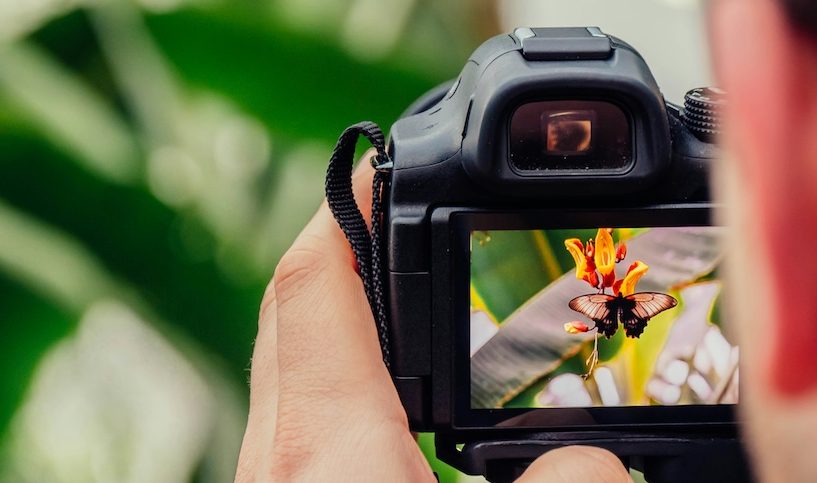
So take the class. Pick up the camera. Learn the language. Try the recipe. Make the terrible first attempt. There is no deadline for becoming good at something, and perhaps that is the best part of being a beginner: for a little while, you get to do something with no obligation to be anything other than curious.