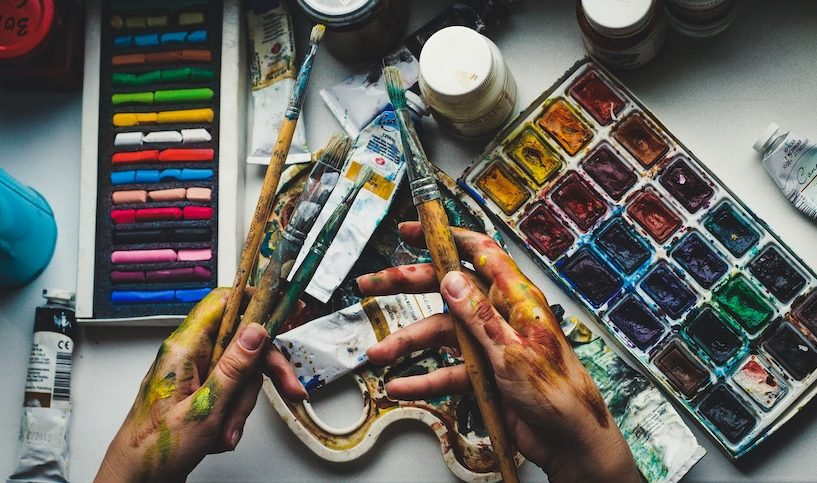
We live in a scroll-first world, but our brains were built for hands-on work—measuring, folding, stitching, planting, sketching. That’s more than nostalgia. Making things with your hands recruits sensory attention, gentle movement, and a clear feedback loop (I did this, and something changed), which together nudge the nervous system out of stress mode and back into balance.
The research is real. A landmark scoping review for the World Health Organization synthesized 3,000+ studies and concluded that arts engagement supports prevention and management of physical and mental health challenges across the lifespan—improving mood, resilience, and even healthcare use.
Gardening is a powerful example. In a randomized field experiment, participants completed a stressful task and were assigned to either 30 minutes of gardening or reading. Both activities reduced stress hormones, but gardening produced a significantly larger drop in salivary cortisol and fully restored positive mood—suggesting that gentle, embodied outdoor work is especially restorative.
Drawing and coloring can also quiet the mind quickly. In a controlled study, adults who spent 20 minutes coloring a complex circular design (a mandala) showed reduced anxiety compared with those coloring a plain design or doodling freely—an accessible, low-skill way to anchor attention and downshift stress.
Cooking and baking carry similar benefits through sensory focus, sequencing, and a built-in reward (you eat). A review of “cooking interventions” found preliminary but encouraging evidence for improved psychosocial outcomes—confidence, social connection, and reduced distress—especially when people cook with or for others.
Even repetitive needlework matters. Survey-based research on knitters links rhythmic, patterned movement with improved mood and calm—many participants described the motion as “hypnotic” and “restful,” pointing to a relaxation response during crafting. While more rigorous trials are needed, the self-reported effect is consistent with what makers describe.
Why does making feel so good? Part of the answer is attentional fit. Hands-on tasks create “just-right” challenge (not too easy, not too hard), producing a focused state that psychologists call flow—time feels lighter, rumination quiets, and effort feels rewarding. Add mild physical activity (kneading dough, pruning basil, pinning fabric) and you get a double benefit: cognitive engagement plus light movement.
You don’t need hours. Think 20–40 minutes, two or three times per week. Keep the stakes low (practice, not performance), and optimize your space so the first step is easy: a clear corner, a basket with tools, a recipe card on the counter. The goal isn’t a perfect sweater or gallery wall; it’s a steady rhythm that helps you feel more like yourself.
Starter Projects (pick one this week)
Knit (rhythmic calm + tangible progress)
- Project: Garter-stitch scarf or dishcloth.
- Why it soothes: Repetitive rows = meditative cadence; visible progress lowers frustration.
- Beginner kit: Medium needles (5–6 mm), smooth light-colored yarn, yarn needle.
- Time block: 20 minutes after dinner; stop mid-row so it’s easy to restart tomorrow.
- Make it social: Pair-and-stitch: swap 10-minute voice notes with a friend while you knit.
- Safety note: Warm shoulders first; shake out hands every 10 minutes. (Survey research links knitting with mood lift and calm.)
Bake (sequencing + sensory reward)
- Project: One-bowl olive-oil loaf or chocolate chip cookies.
- Why it soothes: Stepwise tasks + aroma = built-in feedback and reward.
- Beginner kit: Bowl, whisk, loaf pan or sheet pan, parchment.
- Time block: 30 minutes active; rest while it bakes.
- Make it social: Deliver a slice to a neighbor or colleague—connection amplifies benefits. (Cooking programs show psychosocial gains, especially when shared.)
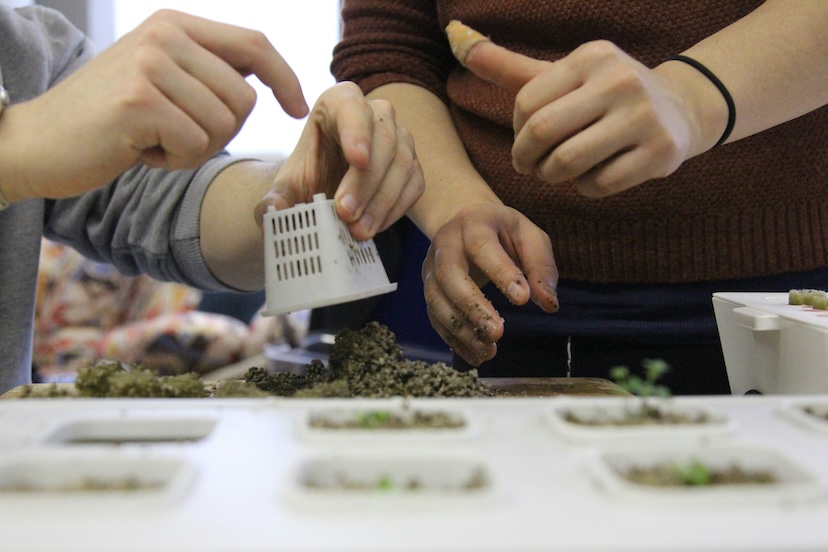
Garden (light movement + green exposure)
- Project: Balcony herb box—mint, basil, parsley; or repot one houseplant.
- Why it soothes: Gentle outdoor work + micro-successes (new leaves) reduce cortisol and lift mood.
- Beginner kit: Pot with drainage, potting mix, seedlings, watering can.
- Time block: 20–30 minutes, ideally in morning or late afternoon light.
- Make it social: Trade cuttings with a friend; send “first sprout” photos. (Field experiment: gardening > reading for cortisol reduction and mood restoration.)
Draw (focus + quick win)
- Project: 20-minute mandala coloring or simple line-drawing of objects on your table.
- Why it soothes: Structured patterns cue attention without performance pressure.
- Beginner kit: Plain paper, fine-liner, a few pencils/markers.
- Time block: Set a 20-minute timer; stop when it dings.
- Make it social: Share a weekly sketch in a tiny group chat. (Mandala coloring reduced anxiety in controlled trials.)
How to make it stick
Lower the threshold. Keep tools visible and ready: yarn and needles in a tote, a pre-measured baking mix jar, a small caddy with pencils, or a watering day on your calendar. Friction kills momentum; staging invites you back.
Track feelings, not perfection. After each session, jot three words: before vs. after. Over two weeks you’ll see a pattern—less edgy, more grounded, clearer head. That subjective shift is the point, and it’s what the large evidence base on arts and health keeps finding.
Use micro-rituals. Same playlist, same mug, same chair. Brains love cues; repetition speeds your path into calm focus.
Protect the time. Treat two 30-minute “making appointments” each week like meetings with yourself. Morning slots are great for drawing or knitting; late afternoon for gardening; evenings for baking. If you miss one, you didn’t fail—you resume at the next slot.
Keep stakes tiny. Start with projects that can be finished in one or two sittings. Finishing creates momentum; momentum keeps you practicing.
Invite a friend. Social craft nights (in person or on video) add accountability and joy, and social connection is itself a buffer against stress.
When life is crowded, making something small and real reclaims a little agency. You become a person who can turn soft yarn into warmth, flour into a loaf, dirt into herbs, lines into a shape you like. The science says that matters for mood and health. Your hands will tell you the same thing—20 minutes at a time.
Photos by laura s and Veronika Scherbik on Unsplash.