Almost everyone has one. A sweater that should have been replaced years ago. A chipped mug chosen over every other cup. A notebook never thrown away, even when its pages are finished. These objects are not valuable in a conventional sense, yet they carry weight. They calm us, ground us, and make unfamiliar spaces feel safe. Comfort objects may seem sentimental or irrational, but psychology shows they serve a real emotional purpose.
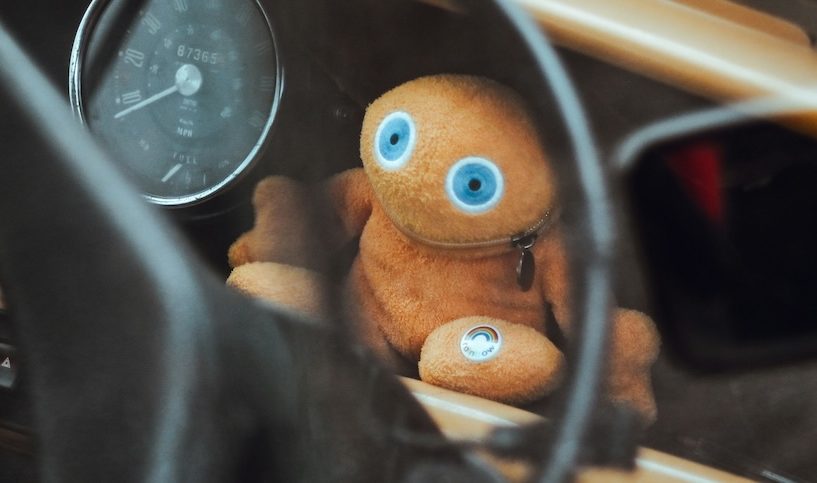
The idea was first articulated by British pediatrician and psychoanalyst D.W. Winnicott, who introduced the concept of the “transitional object” in 1953. He described items such as blankets or soft toys that help children cope with separation and uncertainty. While his work focused on childhood, the behavior does not disappear in adulthood. It evolves. Adults, too, rely on objects to regulate emotion, especially during times of stress or transition.
Where a child clutches a blanket, an adult may reach for a familiar scarf, wear the same ring daily, or keep a meaningful object close at a desk. These items act as anchors. They offer continuity when circumstances change and provide a sense of control when life feels unpredictable.
Psychologists suggest that comfort objects help soothe anxiety by offering familiarity. When routines are disrupted, these objects serve as emotional shortcuts, reminding us of safety, identity, and belonging. This is why comfort objects often become more noticeable during periods such as moving homes, starting a new job, traveling, or grieving. In moments when stability is shaken, familiarity matters more.
The value of a comfort object rarely lies in how it looks. It lies in association. A mug may represent a quiet morning ritual. A sweater may carry the memory of a person or place. A book may recall a time when life felt simpler. Over time, the object becomes a container for emotional memory.
Research in attachment theory supports this idea. Humans seek external sources of security when emotional regulation is challenged. While relationships play the most significant role, objects can temporarily offer reassurance by being predictable and tangible. Their presence signals continuity in a changing environment.
This also explains why letting go of certain items can feel unexpectedly difficult. Discarding them may feel like losing access to the comfort they provide. This reaction is not a sign of weakness. It reflects emotional awareness. Objects often hold meaning long after their practical use has ended.
However, there is an important distinction between comfort and avoidance. Comfort objects support emotional balance when they soothe without limiting engagement with life. An object that grounds you during stress is healthy. An object that replaces all other forms of coping may signal unresolved anxiety. Context and intention matter.
Comfort objects have taken on renewed importance in modern life. In a world dominated by screens and constant stimulation, tangible items offer sensory grounding. Texture, weight, and familiarity provide a physical counterbalance to abstract stress. Holding something real can be calming in a way digital substitutes cannot replicate.
There is also a cultural layer. Many comfort objects are inherited or gifted, carrying family history and shared memory. Jewelry passed down, handwritten recipes, or textiles from a childhood home connect individuals to something larger than themselves. These objects preserve continuity across generations.
Minimalism trends often frame emotional attachment to objects as clutter, but psychology suggests meaning matters more than quantity. A few carefully chosen comfort objects can enhance wellbeing rather than detract from it. The key is awareness. Knowing why an object matters allows it to support rather than overwhelm.
Winnicott emphasized that transitional objects naturally fade as emotional resilience grows. The same applies in adulthood. Comfort objects may become less essential over time, or they may remain quietly present, no longer relied upon but still cherished.
Ultimately, comfort objects reflect a deeply human need: the desire to feel safe and held in an uncertain world. When an object brings calm without limiting growth, it is not holding you back. It is holding you steady.