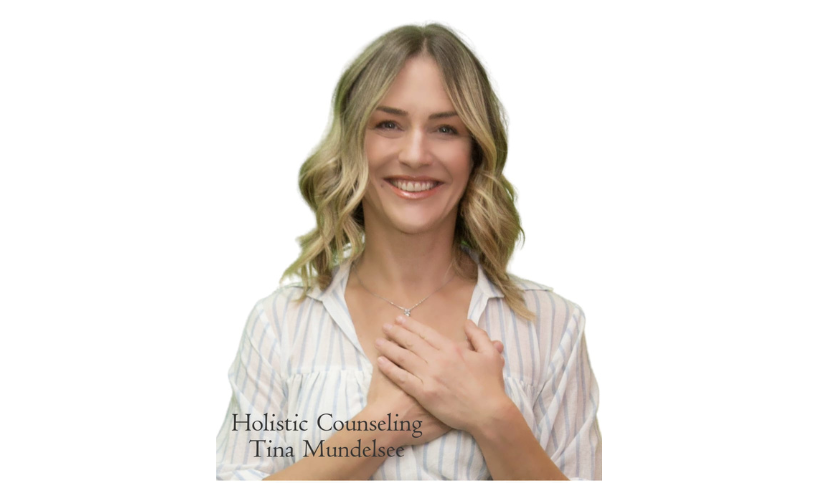
By Tina Mundelsee – Ma Tejo Anand
(spiritual name given by my Guruji, Dr. Omanand, Paramanand Institute, Indore, India)
Living in Kuwait during the current geopolitical tension has reminded me once again of something very fundamental about being human: when we perceive danger, our body reacts immediately.
Even if we try to remain calm mentally, our nervous system is constantly scanning the environment for signals of safety or threat. Loud sounds, uncertainty, news updates, sirens, or the simple anticipation of something happening can activate the body’s stress response.
What is important to understand is that our nervous system reacts in a very similar way not only to external danger, but also to many situations of daily life — work pressure, relationship conflicts, financial worries, or repetitive stressful thoughts. For the brain, prolonged emotional stress can be interpreted as a real threat, activating the same biological alarm mechanisms.
This reaction is not weakness. It is biology.
When the brain detects potential danger, the amygdala — the part of the brain responsible for survival — signals the body to release stress hormones such as adrenaline and cortisol. The heart rate increases, muscles tighten, breathing becomes shallow, and the nervous system shifts into what we call the fight-or-flight response.
In short periods, this reaction is useful. It protects us.
But when stress remains constant for days or weeks, the nervous system may stay in a state of high alert. This is when people begin to experience symptoms such as:
• sleep disturbances
• anxiety and irritability
• mental overthinking
• fatigue or emotional numbness
• tension in the body
• digestive issues or headaches
Without learning how to regulate the nervous system, prolonged stress can eventually affect both physical health and mental well-being.
This is exactly where the ancient science of yoga becomes extremely relevant.
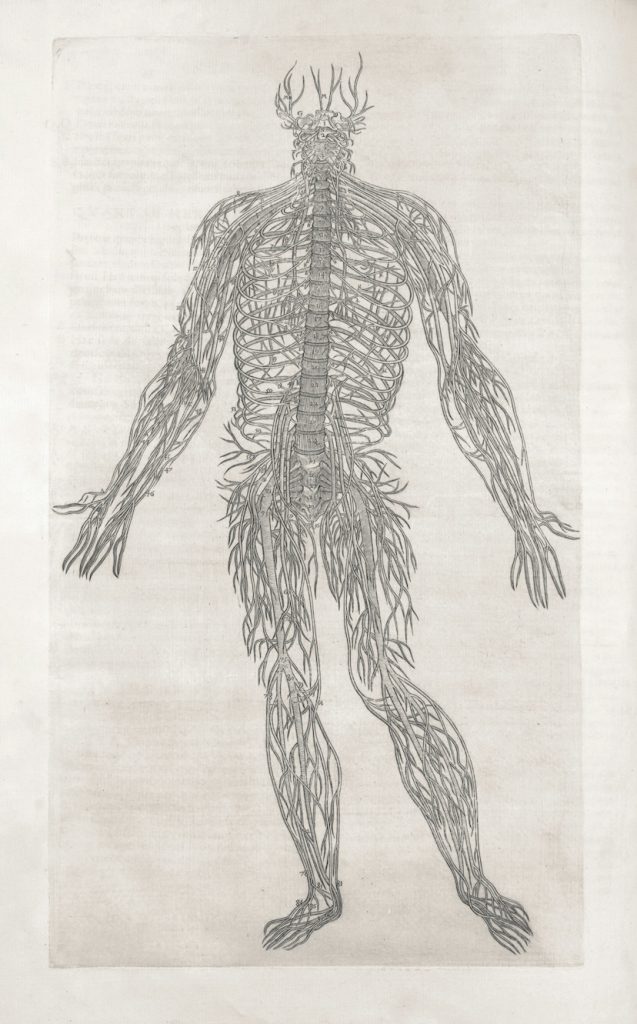
Yoga: An Ancient Technology for the Nervous System
Yoga was never originally just about stretching the body. In the classical yoga scriptures, the human system is described as a sophisticated instrument composed of body, energy, mind, intellect, and awareness.
The practices of yoga were developed to help us understand, regulate, and master this instrument from within.
Breathing techniques, meditation, conscious movement, and attention training directly influence the nervous system. They help activate the parasympathetic response — the part of the autonomic nervous system responsible for rest, digestion, recovery, and healing.
When practiced regularly, these techniques help the body gradually return to balance.
Something as simple as slow breathing, grounding the body, or specific hand gestures known as mudras can send signals of safety to the brain. The body slowly remembers that it does not need to remain in survival mode.
Over time, this allows the entire system to reset and restore resilience.
Vedantic Wisdom: Changing the Relationship to the Mind
While yoga helps regulate the body and nervous system, the philosophical teachings of Vedanta work on another level — our relationship with the mind itself.
Vedanta teaches that thoughts and emotions are experiences that arise within awareness, but they are not what we fundamentally are.
This understanding changes everything.
When people believe they are their thoughts, every fear, worry, or emotional wave can feel overwhelming. But when we learn to observe the mind instead of being completely identified with it, a space opens.
Within that space, calm, clarity, and emotional stability become possible even in difficult circumstances.
This does not mean ignoring reality.
It means not being internally dominated by it.
My Personal Path
I have been studying yoga philosophy, meditation, and mind-body integration for more than 25 years.
My motivation was always simple: I wanted to understand what it truly means to be human.
Why do we feel what we feel?
Why do people behave the way they do?
Why does the mind sometimes become our greatest ally and at other times our greatest source of suffering?
Over the years I came to understand that the human body and mind are extraordinary instruments — yet most of us were never taught how to operate them.
Learning how the nervous system works, how emotional patterns develop, and how awareness relates to our inner experience profoundly changed my relationship to life. It also helped me understand the emotions, reactions, and behaviors of others more deeply.
What Holistic Counseling Means
My work as a holistic counselor is based on this integrated understanding.
Holistic Counseling is a trauma-informed approach to understanding and mastering the human system through the lens of yoga philosophy and modern psychology.
Working with the five layers of the human being — body, energy, mind, intellect, and awareness — it combines nervous system regulation, emotional integration, and spiritual insight.
The intention is simple:
To help people understand their inner world, regulate their nervous system, and develop a more stable and balanced relationship with themselves and others.
Because when we learn to work consciously with our body and mind, stress no longer has to dominate our lives.
Even in uncertain times, it becomes possible to remain grounded, clear, and inwardly steady.
And perhaps this is one of the most important lessons yoga teaches us:
The outer world will always move through cycles of uncertainty.
But the capacity for inner balance is something every human being can cultivate.
In the tradition of yoga and Vedanta, the ultimate goal of this path is the realization that our true nature is the unchanging witness — the awareness behind thoughts, desires, memories, physical sensations, and emotions.
From this understanding arises a profound power over one’s own human experience:
inner leadership, emotional independence, and self-mastery — qualities that, in today’s world, may represent the most authentic form of success.
Tina Mundelsee – Ma Tejo Anand
Instagram / Facebook: @tinamundelseecounseling
I am sharing free simple tools on Instagram to regulate your nervoussystem.
Free resources, books, and online programs:https://linktr.ee/Tinas_Tools
Photos by The New York Public Library and Dmitry Berdnyk on Unsplash.