
Food rarely exists only in the present. A single bite can pull us backward through time, returning us to kitchens we no longer enter, hands we no longer hold, and versions of ourselves we thought we had outgrown. Long before we name the emotion, the body recognizes it. Taste, more than any other sense, carries memory.
This idea is not new. Marcel Proust famously captured it in In Search of Lost Time, when the taste of a madeleine dipped in tea unlocked a flood of childhood memories. “The past is hidden somewhere outside the realm, beyond the reach of intellect, in some material object,” he wrote. That passage has since become shorthand for how food bypasses logic and speaks directly to feeling.
Neuroscience supports what literature has long suggested. Taste and smell are processed in areas of the brain closely linked to emotion and memory, particularly the limbic system. Unlike sight or sound, which are filtered through higher cognitive centers, flavor takes a more direct neurological route. This is why food memories often arrive uninvited, sudden and vivid.
Most people can name at least one dish that feels like home. It might be a soup eaten during illness, a sweet tied to celebrations, or a recipe prepared by someone who is no longer alive. These foods are rarely elaborate. Their power lies in repetition and association. They were eaten at moments when emotions were unguarded and bonds were forming.
Food memory is also deeply cultural. Recipes carry geography, climate, and history. A spice blend can signal a region. A cooking method can hint at migration, scarcity, or abundance. When people preserve traditional dishes, they are often preserving narrative as much as flavor.
This is why altering a familiar recipe can feel personal. A substituted ingredient or adjusted seasoning may seem minor, but emotionally it can feel like disrupting memory itself. The dish no longer tastes like the story we remember. It tastes like something else, and that difference can register as loss.
At the same time, food memory is not static. New associations form as life changes. A meal cooked during a difficult period may later symbolize resilience. A dish learned in a new country can become part of a blended identity. Memory layers meaning onto food rather than freezing it in time.
Psychologists note that sensory memories, especially those linked to taste and smell, are among the most persistent. They are less verbal and more embodied. This is why they often surface unexpectedly, triggered by a smell on the street or a spice in a restaurant.
Food also plays a central role in how we grieve and connect. Many cultures mark loss through shared meals. Cooking becomes a way to care when language falls short. Eating familiar food can provide stability when everything else feels altered.
People often recreate food from memory not to achieve accuracy, but to recapture feeling. The dish may never taste exactly the same, but the act of making it becomes ritual. Chopping, stirring, and seasoning turn the kitchen into a place of remembrance rather than production.
In a fast, outsourced food culture, reclaiming food as memory can be grounding. Cooking slowly and intentionally reconnects us to time, place, and story. In the end, food is never just nourishment. It is archive, language, and emotion. Long after the plate is cleared, the memory remains, waiting to be tasted again.
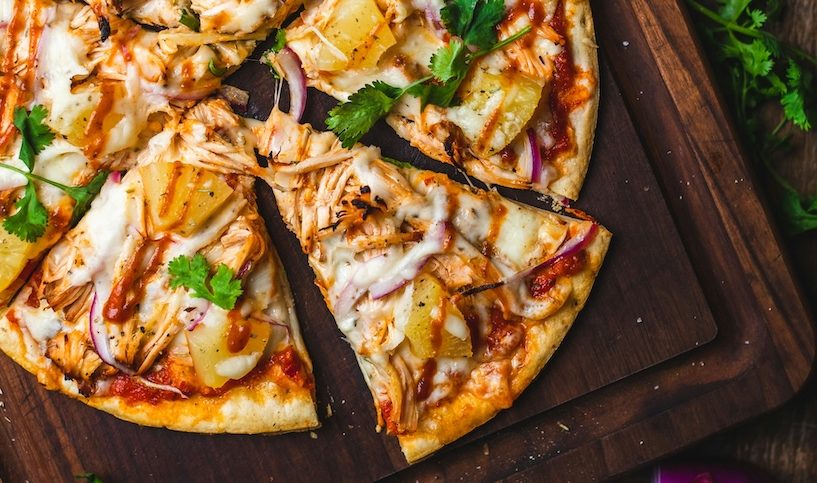
Photo by Chad Montano on Unsplash.