
Forget elaborate dinner parties. These are the kitchen basics that make everyday life infinitely better
There comes a point in adulthood when cereal for dinner stops feeling like a quirky lifestyle choice and starts feeling like a cry for help. You do not need to master French patisserie or produce a restaurant-worthy roast, but knowing how to make a handful of reliable dishes is a genuinely useful life skill. These seven basics will feed you, impress a guest in a pinch, and save you from treating every hungry evening as a logistical crisis.
1. EGGS, DONE YOUR WAY
Eggs are inexpensive, versatile, and an excellent place to learn how heat works. A soft scramble, a properly fried egg, and a fluffy omelet all require little more than practice and a little patience. Keep the heat moderate, season thoughtfully, and take scrambled eggs off the stove just before they look completely done. They will continue cooking from the residual heat, rather than turning into rubbery yellow pellets.
2. A REALLY GOOD ROAST CHICKEN
A roast chicken is less intimidating than it looks and provides more than one meal. Pat the skin dry, season generously with salt and pepper, rub with a little oil or butter, and roast until the thickest part of the breast reaches 165°F (74°C). A lemon, garlic, and a few sprigs of rosemary or thyme will do most of the flavor work. Let the chicken rest before carving, then use the leftovers in sandwiches, salads, or soup.
3. PASTA THAT ISN’T JUST PLAIN
Everyone should have one pasta dish they can make without consulting a recipe. Start with aglio e olio, the Italian classic of garlic, olive oil, chili flakes, and pasta. Gently warm sliced garlic in olive oil, add chili if you like, and toss with cooked spaghetti and a splash of starchy pasta water. The water helps bring the oil and pasta together into a glossy sauce. The trick is to avoid burning the garlic, which turns a simple supper bitter in seconds.
4. A SOUP THAT FIXES EVERYTHING
A good soup is less a recipe than a formula: aromatics, vegetables, liquid, seasoning, and time. Soften chopped onion, carrot, and celery in a little oil, add vegetables such as pumpkin, potatoes, or tomatoes, then pour in stock or water and simmer until tender. Blend if you want something smooth, or leave it chunky. Once you understand the basic method, you can adapt it to whatever is in the fridge, making soup one of the most forgiving ways to cook economically.
5. RICE THAT DOESN’T TURN TO MUSH
Rice is a staple in kitchens around the world, yet getting it right can feel oddly elusive. The first rule is to follow the water ratio and cooking instructions for the variety you are using, since basmati, jasmine, and brown rice behave differently. Rinse when appropriate, avoid lifting the lid repeatedly, and let the rice rest off the heat before fluffing it with a fork. Resist the urge to stir it constantly. Rice rewards restraint.
6. A PROPER SALAD DRESSING
A homemade dressing can rescue a bowl of ordinary greens and make vegetables far more appealing. Start with three parts olive oil to one part vinegar or lemon juice, then add salt, pepper, and a little mustard to help emulsify the mixture. Taste and adjust until it feels balanced. Once you have the basic ratio down, experiment with honey, garlic, herbs, or yogurt. You will quickly discover that a salad does not need an expensive bottled dressing to taste like something you actually want to eat.
7. ONE DISH YOU CAN MAKE FOR SOMEONE ELSE
This is less about technique than generosity. Learn to make one meal you would happily serve to a friend: a comforting stew, a tray of roasted vegetables, a hearty lentil dish, or a favorite family recipe. It should be something you can prepare without stress, adapt to different tastes, and make in a quantity that leaves enough for seconds. Cooking for other people is a small but meaningful way to show care, and the confidence comes from repetition, not perfection.
THE REAL SECRET
You do not need a kitchen full of gadgets or a shelf of cookbooks. You need a few dependable techniques, basic ingredients, and the willingness to make mistakes without declaring yourself hopeless. Start with one dish, repeat it until it becomes second nature, then add another. The goal is not to become the sort of person who makes elaborate meals every night. It is to become someone who can open the fridge, figure something out, and feed themselves well.
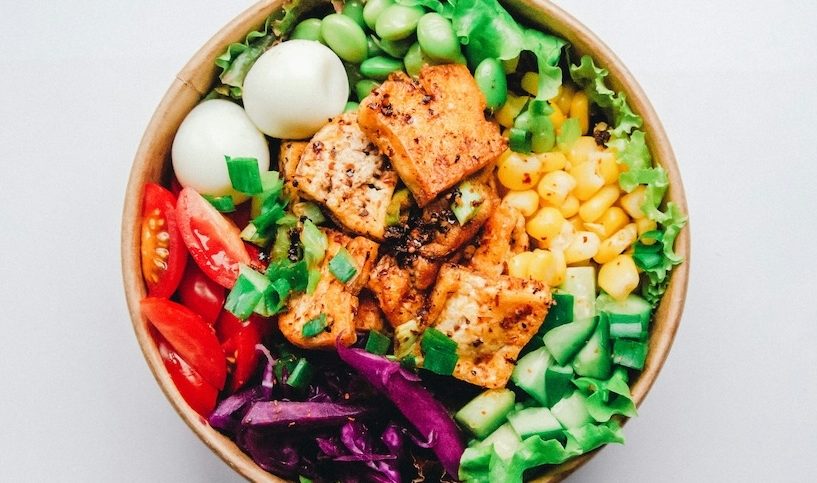
Image by Anh Nguyen on Unsplash.