
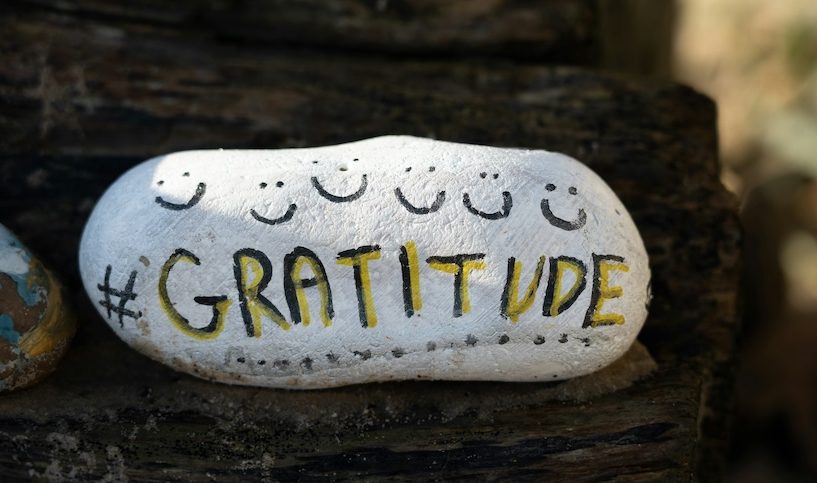
Life can feel like a constant juggling act. Between work, relationships, finances, health issues, and the never-ending scroll of bad news, finding time—or even a reason—to feel joyful can seem almost impossible. But it’s precisely during stressful times that cultivating joy and gratitude becomes not just a luxury, but a necessity.
Experts across psychology, neuroscience, and wellness agree: experiencing small moments of joy and practicing gratitude, even when life feels overwhelming, can help build emotional resilience, lower anxiety, and rewire your brain for more balanced thinking. And the best part? It doesn’t require a big life change—just a shift in perspective and a few intentional habits.
Here’s how you can start bringing joy and gratitude back into your life, even on your hardest days.
Why joy and gratitude matter—especially in tough times
Stress, by its nature, narrows your focus. It keeps you in survival mode. But while stress can be a normal part of life, staying in a constant state of tension can take a toll on your physical and mental health. That’s where joy and gratitude come in—not to ignore or suppress problems, but to expand your capacity to cope with them.
“Gratitude is not just a warm, fuzzy feeling. It’s a powerful emotion that literally changes the structure and function of your brain,” says Dr. Rick Hanson, psychologist and author of Hardwiring Happiness. “When you repeatedly take in positive experiences, your brain rewires itself to become more resilient and optimistic over time.”
Practicing gratitude doesn’t mean pretending everything is fine. It means noticing what is okay, even in the middle of what’s not.
Joy, on the other hand, acts as an emotional reset. According to Dr. Barbara Fredrickson, a psychologist known for her work on positive emotions, “Positive emotions broaden our awareness and build our psychological resources. Even fleeting experiences of joy can undo the effects of stress.”
In other words, joy isn’t the reward for having a stress-free life—it’s the tool you use to survive it.
Practical ways to add joy and gratitude into your day
You don’t need a retreat, a perfect morning routine, or a gratitude journal covered in gold foil. Real joy and gratitude live in the details of everyday life. Here’s how to find them:
1. Start with micro-moments of joy
Joy doesn’t have to be big or loud. It can be as small as:
- A cup of coffee in the sun
- A message from a friend
- The sound of your child laughing
- A song that makes you feel alive
The trick is to notice these moments and let them land. Instead of rushing through, take five extra seconds to absorb the feeling. These micro-moments add up.
As Dr. Hanson says, “Take in the good. Stay with the experience for a breath or two. Let it sink in. That’s how joy sticks.”
2. Use the 3 things technique
At the end of each day, name three things you’re grateful for. They don’t have to be profound—just real.
For example:
- I’m grateful I had time for lunch today.
- I’m grateful my friend replied to my message.
- I’m grateful for the cool breeze this evening.
Studies by Dr. Robert Emmons, a leading researcher on gratitude, have found that people who practice daily gratitude report higher levels of happiness, sleep better, and experience lower levels of depression—even during times of hardship.
3. Limit your exposure to negativity
This doesn’t mean tuning out from reality. But your brain isn’t built to handle a 24/7 feed of conflict and crises. Choose when and how you consume news and social media.
Try:
- Checking the news once a day instead of hourly
- Curating your social media feed to include inspiring or joyful accounts
- Setting boundaries around conversations that drain you
Protecting your mental space gives more room for joy and appreciation to flourish.
4. Turn routine into ritual
You already have routines—getting ready in the morning, preparing dinner, driving to work. What if you turned one into a ritual of gratitude or mindfulness?
Try this:
- While brushing your teeth, think of one thing you’re proud of from the day
- During your commute, play music that lifts your mood
- Before sleep, stretch for 2 minutes and thank your body for what it carried you through
These small shifts anchor joy and gratitude in your daily rhythm.
5. Don’t wait for life to be perfect
One of the biggest myths about joy is that it’s something you earn once everything is “fixed.” But life is never perfect. Joy and gratitude are not rewards—they are practices. They don’t depend on your circumstances. They coexist with them.
As Brené Brown, researcher and author of The Gifts of Imperfection, writes:
“I don’t have to chase extraordinary moments to find happiness—it’s right in front of me if I’m paying attention and practicing gratitude.”
Even when you’re tired. Even when you’re stressed. Even when the future feels uncertain.
6. Make joy a shared experience
Joy is contagious. Gratitude deepens relationships. Tell someone when you appreciate them. Share a funny video. Send a thank-you message. Invite someone to a walk, a coffee, or even a moment of silence.
Social connection amplifies positive emotion. You don’t need to be the “happy friend”—just someone who’s open to joy when it comes.

The bottom line
You don’t have to wait for your life to calm down to feel better. In fact, the more chaotic things feel, the more essential it is to create space for joy and gratitude. Not to escape your reality—but to enrich it, protect your mental health, and remind yourself that even in the struggle, there is light.
It’s not about being positive all the time. It’s about being present enough to see what’s still good.
Because joy isn’t something you find. It’s something you practice. And gratitude? That’s how you hold on to it.
Photo by Nick Fewings on Unsplash.